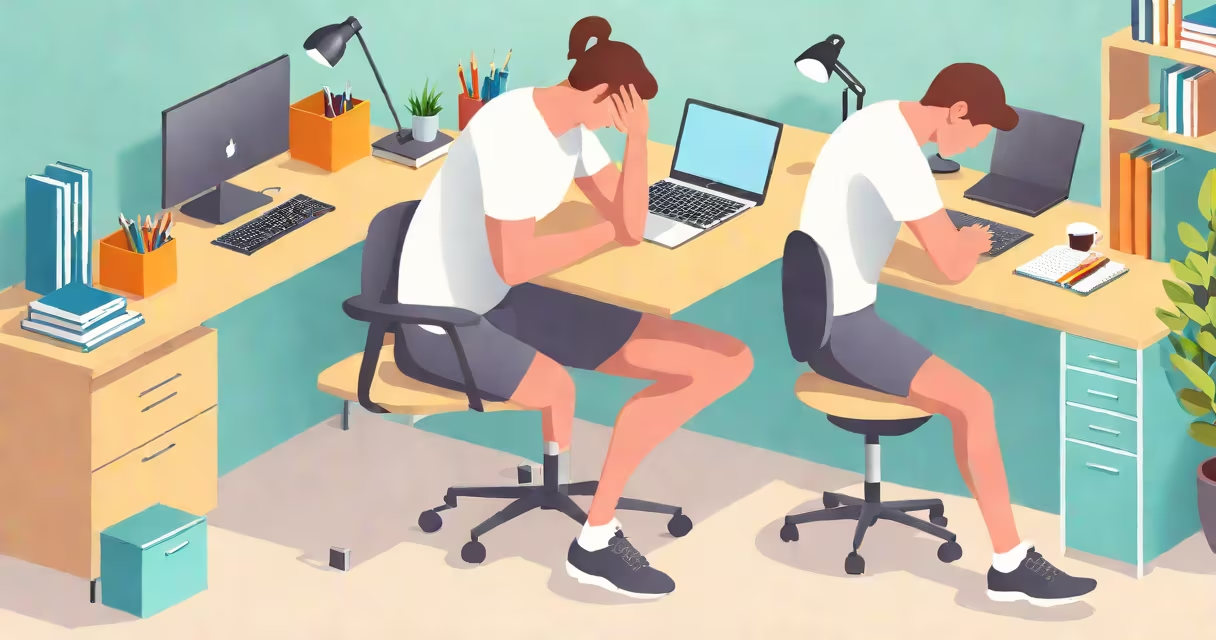
Yes, stress can make your legs ache due to muscle tension, reduced blood flow, and nerve sensitivity. These effects often mimic other conditions, making stress-related leg pain easy to overlook.
Stress triggers the release of cortisol and adrenaline, which prepare your body for fight-or-flight responses. While this is useful in short bursts, prolonged stress keeps muscles contracted and blood vessels constricted, leading to discomfort.
For example, someone under chronic work stress might notice tightness in their calves or thighs after long hours at a desk. This happens because sustained muscle tension reduces circulation, depriving tissues of oxygen and causing aches.
Stress-induced leg pain typically falls into three categories:
Stress-related leg pain often occurs alongside other stress symptoms, such as headaches, jaw clenching, or stomachaches. If your leg aches worsen during high-stress periods and improve with relaxation techniques, stress may be the culprit.
However, stress can also exacerbate underlying conditions like arthritis or sciatica. If leg pain persists despite stress management, consult a healthcare provider to rule out other causes.
Sarah, a project manager, noticed her calves aching after long meetings. The pain worsened during deadline weeks but improved on weekends. She realized her stress response was causing muscle tension in her legs. After incorporating stretching breaks and deep-breathing exercises, her leg aches decreased.
Many people assume leg pain always signals an injury or chronic condition. However, stress can be a hidden factor. Unlike injury-related pain, stress-induced aches often shift locations and fluctuate with stress levels.
Another mistake is dismissing leg pain as "just stress." While stress can cause discomfort, persistent or severe pain should be evaluated by a doctor to rule out serious conditions.
To alleviate stress-induced leg aches, try these strategies:
If leg pain persists, consider consulting a physical therapist or massage therapist to address muscle imbalances.
While stress can cause leg pain, other conditions-such as peripheral artery disease or nerve damage-may require medical attention. Seek help if you experience:
Stress can make your legs ache through muscle tension, nerve sensitivity, and reduced circulation. Recognizing stress as a potential cause allows for effective management through stretching, hydration, and relaxation techniques. If leg pain persists, however, consulting a healthcare professional is essential to rule out other conditions.