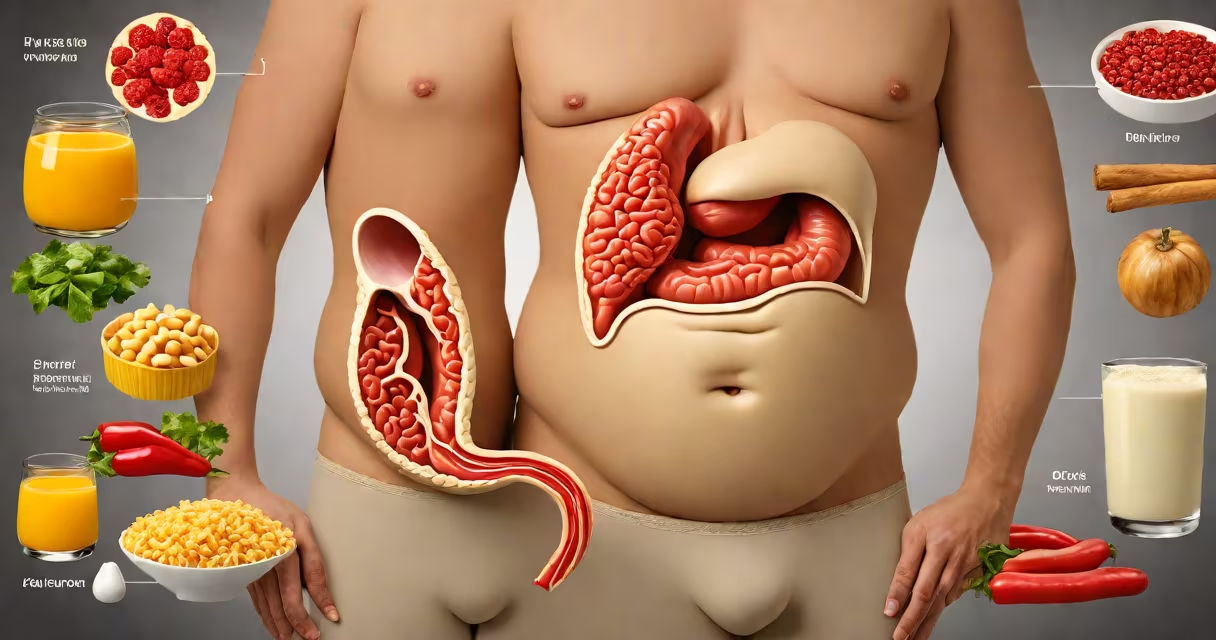
Bloating and gas after eating occur when your digestive system struggles to process certain foods, leading to excess air buildup in the gut. This typically happens due to food intolerances, overeating, or swallowing air while eating.
When you eat, food travels through your digestive tract, where enzymes and gut bacteria break it down. Most digestion happens in the small intestine, but undigested food moves to the large intestine, where bacteria further process it. Gas is a normal byproduct of this process, but excessive gas often indicates an imbalance.
The most common causes include:
Certain foods are more likely to cause bloating and gas due to their composition. These include:
| Food Type | Examples | Why It Causes Gas |
|---|---|---|
| Cruciferous Vegetables | Broccoli, cabbage, cauliflower | High in fiber and raffinose, a complex sugar hard to digest |
| Legumes | Beans, lentils, chickpeas | Contain oligosaccharides, which resist digestion |
| Dairy Products | Milk, cheese, yogurt | Lactose intolerance prevents proper digestion of lactose |
| Artificial Sweeteners | Sorbitol, xylitol, mannitol | Non-digestible sugars that ferment in the gut |
Occasional bloating and gas are normal, but persistent symptoms may indicate an underlying condition. See a doctor if you experience:
Conditions like irritable bowel syndrome (IBS), celiac disease, or gastrointestinal infections can cause chronic bloating and gas. A doctor can help identify the root cause and recommend appropriate treatment.
To reduce bloating and gas, try these strategies:
Probiotics and digestive enzymes can also help balance gut bacteria and improve digestion. If symptoms persist, consult a healthcare professional for personalized advice.