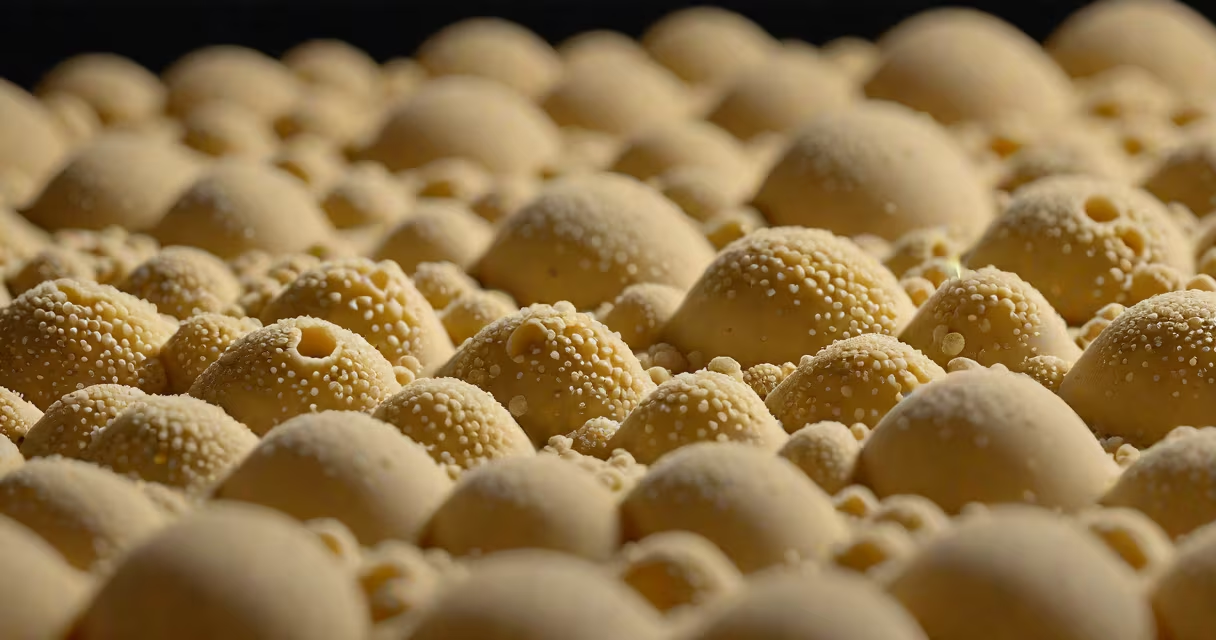
Caused fermentation in dough occurs when yeast consumes sugars, producing carbon dioxide and alcohol that make dough rise. This biological process creates the airy texture in baked goods.
Yeast, a microscopic fungus, feeds on sugars in dough through a process called glycolysis. During this reaction, yeast converts glucose into carbon dioxide gas and ethanol (alcohol). The CO2 gets trapped in gluten networks, creating bubbles that make dough expand.
This process requires ideal conditions: warmth (around 75°F/24°C), moisture, and time. Professional bakers often control these factors precisely to achieve consistent results. For example, sourdough starters rely on wild yeast and bacteria for fermentation, while commercial bakers use cultivated yeast strains for faster, more predictable results.
| Type | Time | Temperature | Common Use |
|---|---|---|---|
| Bulk fermentation | 1-4 hours | 75-80°F (24-27°C) | Most bread types |
| Cold fermentation | 12-48 hours | 35-45°F (2-7°C) | Sourdough, artisan breads |
| Proofing | 30 minutes-2 hours | 75-85°F (24-29°C) | Shaped dough before baking |
Fermentation develops flavor, improves texture, and enhances nutritional value. The longer dough ferments, the more complex its taste becomes due to the breakdown of starches and proteins. For instance, French baguettes have a short fermentation period, resulting in a mild flavor, while sourdough bread undergoes extended fermentation, creating a tangy taste.
Fermentation also affects bread's keeping quality. Slow fermentation produces more stable gluten structures, making bread stay fresh longer. According to food scientist Shawn K. Aimee, author of Baking and Pastry: Mastering the Art and Craft, proper fermentation can increase bread's shelf life by up to 50%.
Many people confuse fermentation with simply letting dough "rest." While resting allows gluten to relax, fermentation involves active biological processes that change dough's structure and flavor. Another myth is that all fermentation is bad-while over-fermentation can weaken gluten, controlled fermentation is essential for quality bread.
I once tried baking bread without proper fermentation. The result was dense, gummy, and lacked flavor-a stark contrast to properly fermented loaves with their light, airy crumb and complex taste.
If dough doesn't rise properly, check these factors:
Caused fermentation in dough is a fundamental process in baking that transforms simple ingredients into delicious, nutritious bread. Understanding and controlling fermentation allows bakers to create consistent, high-quality products with desired textures and flavors.