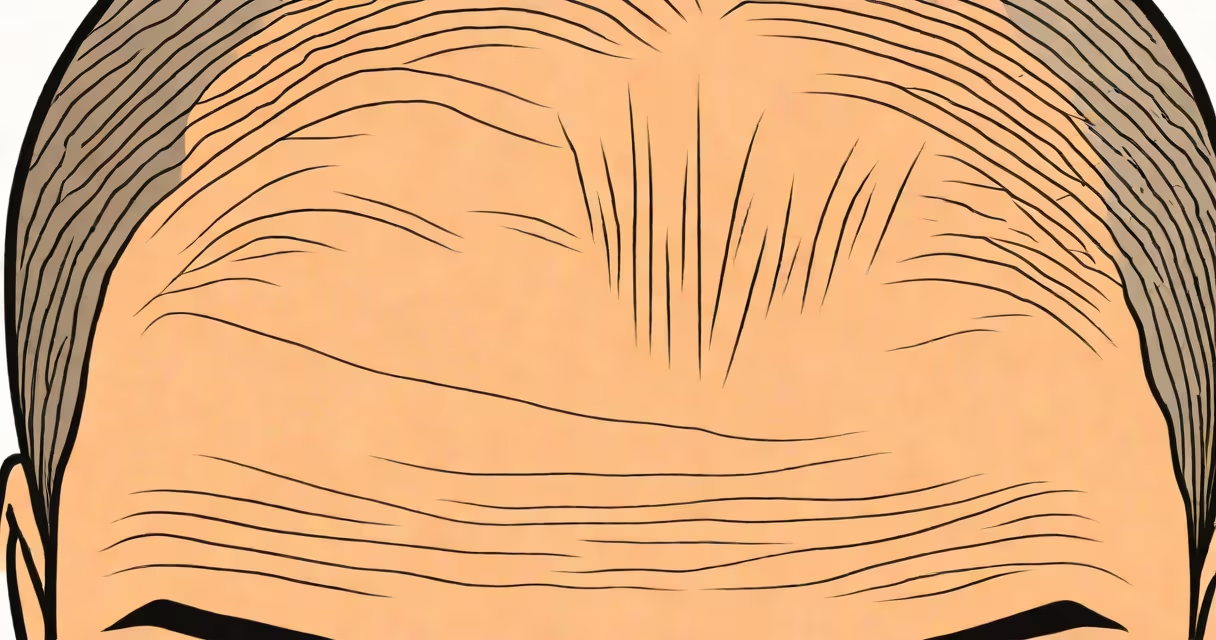
Male hair loss results primarily from genetic factors, hormonal changes, or external stressors, with androgenetic alopecia being the most common form. The condition affects roughly 50% of men over age 50.
Hair loss occurs when follicles shrink and stop producing new hairs. This happens gradually over years, unlike sudden hair loss due to medical treatments or illness. The American Academy of Dermatology notes that hair grows in cycles, and disruptions in these cycles lead to thinning or baldness.
The most common causes fall into three categories:
| Type | Description | Common Age Range |
|---|---|---|
| Alopecia Areata | Autoimmune condition causing patchy hair loss | Teens to 40s |
| Telogen Effluvium | Temporary thinning due to stress or illness | Any age |
| Scarring Alopecia | Permanent hair loss from inflammation or injury | Adults |
Many believe wearing hats or frequent shampooing causes hair loss, but these have no scientific basis. Stress can contribute, but it rarely leads to permanent baldness unless severe. For example, a study in the Journal of Investigative Dermatology found that stress-induced hair loss usually reverses within six months.
Minoxidil and finasteride are FDA-approved treatments for male pattern baldness. Lifestyle changes, such as reducing stress and improving nutrition, may help with other types. In my experience, clients who combined minoxidil with a balanced diet saw slower progression of hair loss.