The English Reformation was a series of events in 16th-century England by which the Church of England broke away from the authority of the Pope and the Roman Catholic Church. These changes transformed England's religious, political, and social field.
Key Causes
The English Reformation had multiple causes, both religious and political:
Religious Corruption: Criticism of the Catholic Church's practices, such as the sale of indulgences, grew during the early 1500s. Reformers like Martin Luther and John Calvin challenged the Church's authority, inspiring similar movements in England.
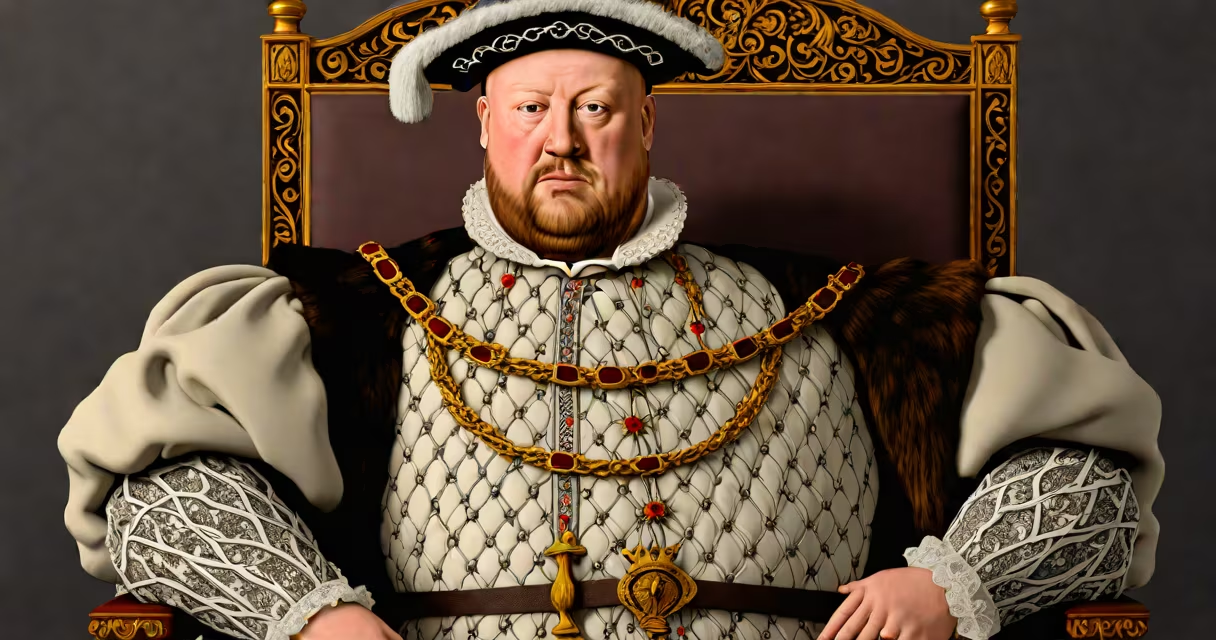
Royal Ambitions: King Henry VIII sought to annul his marriage to Catherine of Aragon, but the Pope refused. This led Henry to challenge papal authority and establish the Church of England with himself as its head.
Political Centralization: The Reformation allowed the English monarchy to consolidate power by reducing the influence of foreign religious authorities.
Major Effects
The Reformation had profound and lasting effects on England:
Religious Changes: The Church of England adopted Protestant doctrines, replacing Latin Masses with services in English. The Bible was translated into English, making it accessible to more people.
Political Shifts: The monarchy gained control over religious institutions, strengthening royal authority. The Act of Supremacy (1534) declared the king the supreme head of the Church of England.
Social Impact: The dissolution of monasteries redistributed wealth and land, altering the social structure. Many monasteries were closed, and their assets were seized by the crown and sold to wealthy supporters.
Confusions and Misconceptions
Many people confuse the English Reformation with the broader Protestant Reformation in Europe. While both movements criticized the Catholic Church, the English Reformation was primarily driven by political motives, particularly Henry VIII's desire for an annulment. The Protestant Reformation, led by figures like Martin Luther, was more focused on theological reforms.
Lasting Legacy
The English Reformation had long-term consequences for England and beyond. It established the Church of England as a distinct Protestant institution, shaping the country's religious identity. The Reformation also influenced global colonization, as English settlers spread their religious and political ideas to North America and other parts of the world.
Understanding the causes and effects of the English Reformation provides insight into the complex interplay between religion and politics in Tudor England. For more on historical transformations, see how deforestation reshaped societies.