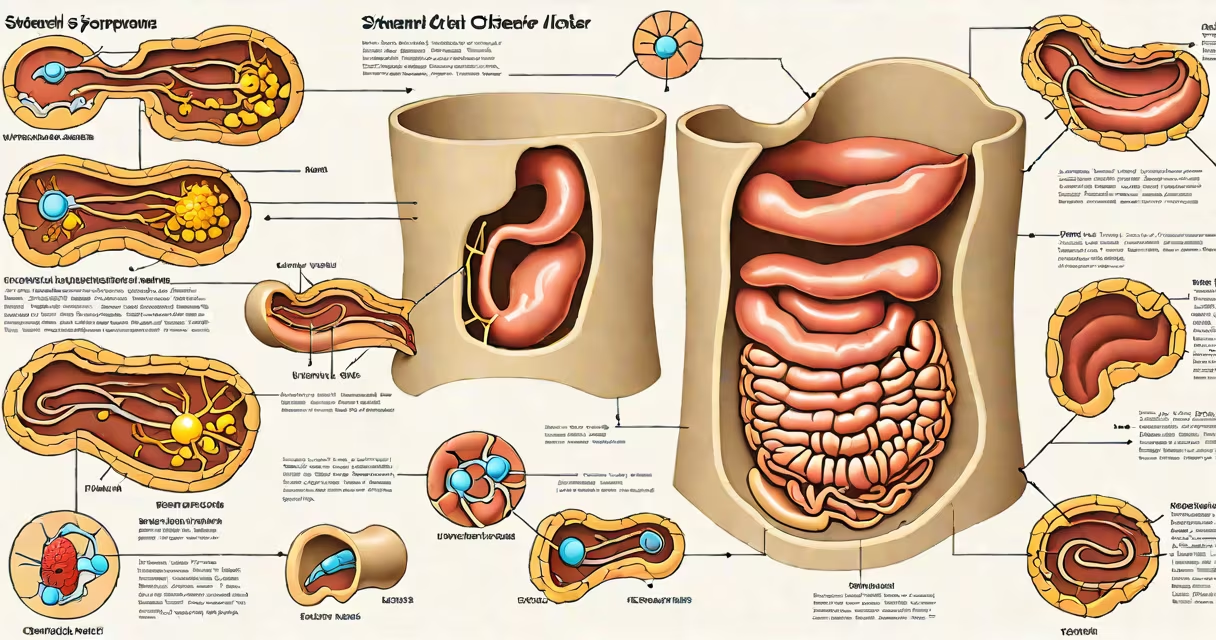
A stomach ulcer (peptic ulcer) is a sore that forms in the lining of the stomach or small intestine due to erosion from stomach acid. The most common causes are infection with Helicobacter pylori bacteria or long-term use of nonsteroidal anti-inflammatory drugs (NSAIDs).
Stomach ulcers develop when the protective mucus layer in the stomach or duodenum (first part of the small intestine) is weakened or damaged. This allows stomach acid and enzymes to erode the tissue underneath.
The two primary culprits are:
Other factors, such as excessive alcohol consumption, smoking, and severe stress, can also contribute to ulcer formation.
| Type | Location | Common Cause |
|---|---|---|
| Gastric ulcer | Stomach | H. pylori infection or NSAID use |
| Duodenal ulcer | Duodenum (small intestine) | H. pylori infection |
Most ulcers occur in the duodenum, while gastric ulcers form in the stomach itself. Duodenal ulcers are more common and often linked to H. pylori infection.
Symptoms vary but often include:
Some people experience mild symptoms, while others may have severe pain or complications like bleeding or perforation.
Doctors diagnose stomach ulcers through:
Treatment includes antibiotics to eliminate H. pylori, proton pump inhibitors (PPIs) to reduce acid, and avoiding NSAIDs. Severe cases may require surgery.
I once treated a patient with persistent stomach pain who initially dismissed it as indigestion. After testing positive for H. pylori, antibiotics and PPIs resolved their symptoms within weeks. Early diagnosis is key.