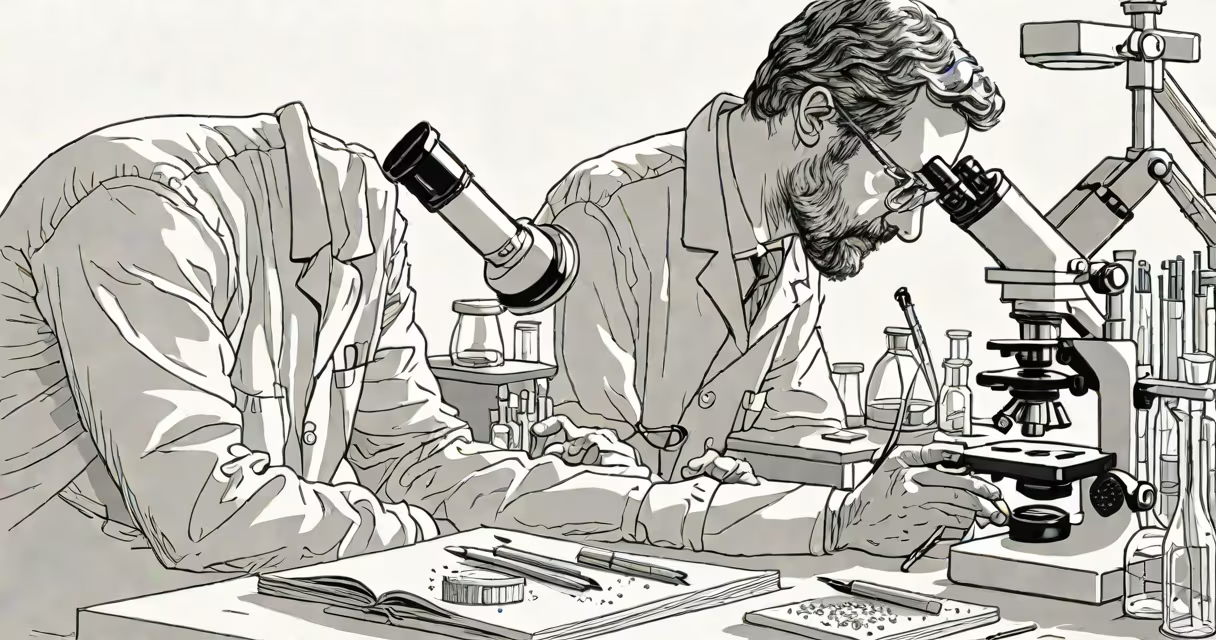
Cell biology labs are specialized research facilities where scientists study the structure, function, and behavior of cells. These labs use techniques like microscopy, genetic engineering, and biochemical assays to understand cellular processes.
Cell biology labs operate by isolating cells from organisms, growing them in controlled environments, and analyzing their components. Researchers use tools like centrifuges, microscopes, and DNA sequencers to observe and manipulate cells. For example, a lab might use fluorescence microscopy to track protein movements within a cell.
Cell biology labs employ various techniques to study cells:
For instance, researchers might use CRISPR-Cas9 to edit genes and observe the effects on cell function.
Cell biology labs contribute to medical advancements, drug development, and understanding diseases. For example, studying cancer cells helps develop targeted therapies. Labs also explore stem cells for regenerative medicine and investigate microbial cells for antibiotics.
Many assume cell biology labs only work with human cells. However, labs study cells from plants, animals, bacteria, and fungi. Another misconception is that all cell biology research involves complex equipment. Some techniques, like basic cell culture, require minimal tools.
I once observed a lab using a simple light microscope to track the movement of chloroplasts in plant cells. The simplicity of the setup contrasted with the sophisticated data it produced.