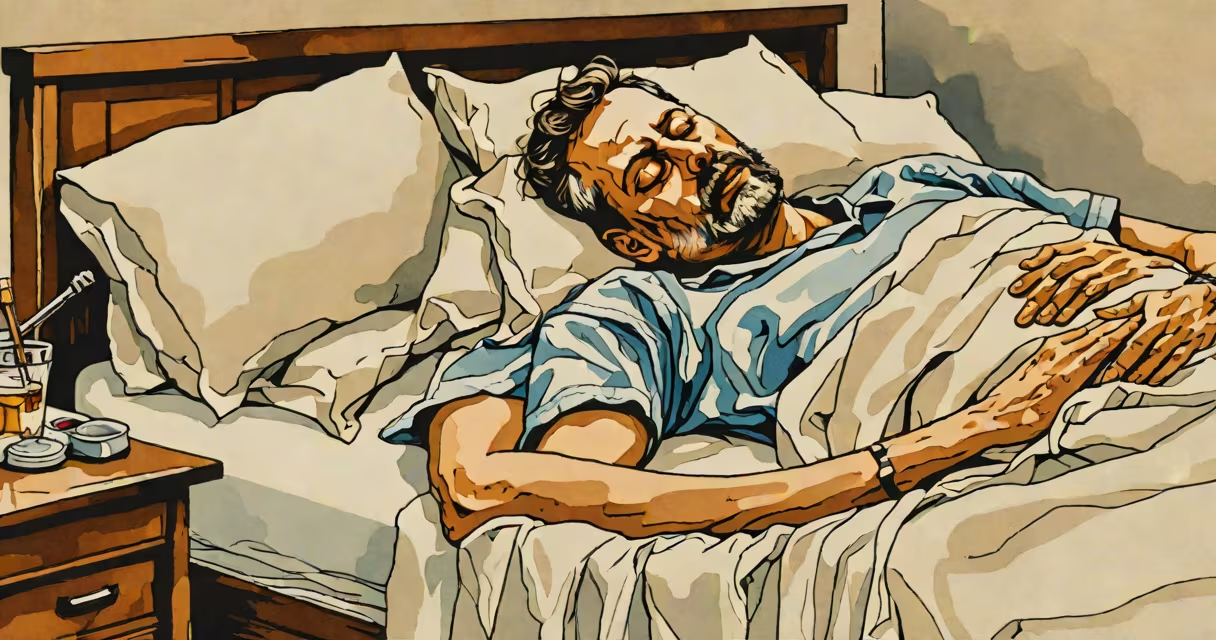
Chronic tiredness means persistent fatigue lasting weeks or months, often with underlying causes. Unlike normal tiredness, it doesn't improve with rest and may worsen over time.
Normal tiredness improves after sleep or rest. Chronic tiredness persists despite adequate rest and disrupts daily life. For example, someone with chronic fatigue syndrome (CFS) may feel exhausted after light activities like showering.
Underlying conditions cause most cases. Common culprits include:
According to the Mayo Clinic, untreated sleep apnea alone can cause severe daytime fatigue. The National Institute of Mental Health notes that depression often presents with persistent fatigue.
CFS is a specific type of chronic tiredness with no identifiable cause. Symptoms include extreme fatigue lasting six months or longer, worsened by physical or mental activity, and unrelieved by rest. The Centers for Disease Control and Prevention (CDC) estimates CFS affects 0.2% to 0.4% of the global population.
Consult a doctor if fatigue lasts two weeks or disrupts daily life. A medical professional can rule out underlying conditions. For instance, thyroid tests or blood work may reveal deficiencies or infections contributing to fatigue.
I once worked with a colleague who struggled with unexplained fatigue. After several tests, doctors diagnosed her with iron-deficiency anemia. Treatment improved her energy levels.
Many people confuse chronic tiredness with laziness or stress. However, chronic fatigue is a medical issue requiring professional evaluation. Another myth is that it's purely psychological. While mental health plays a role, physical conditions often contribute.