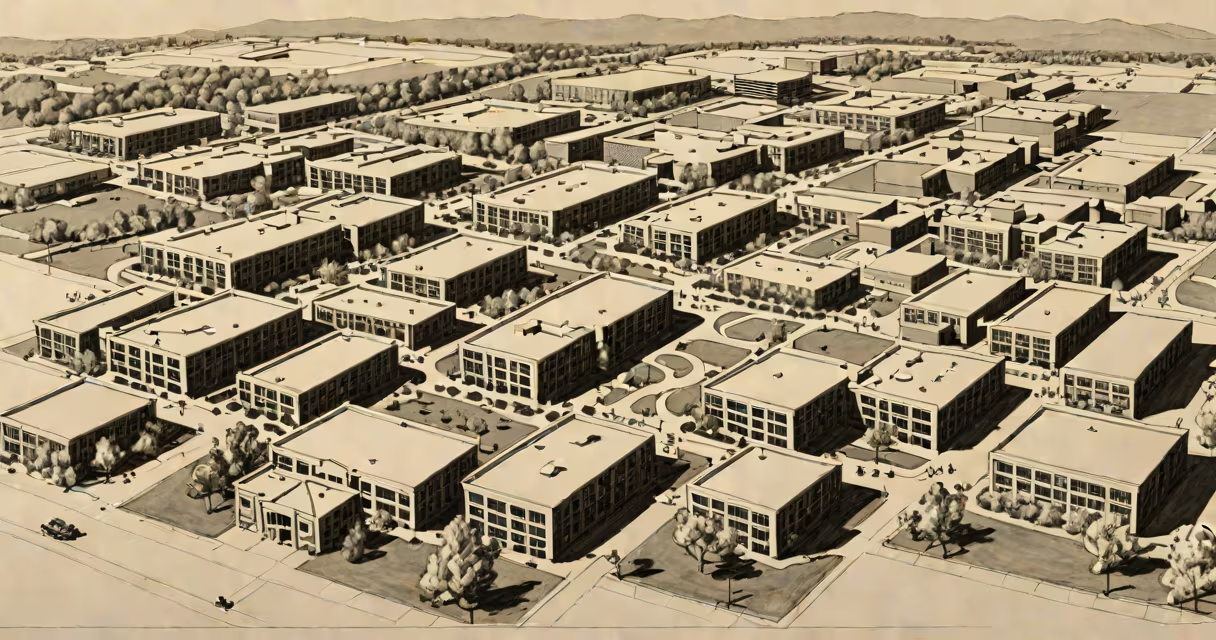
The Colorado Community College System (CCCS) is a network of 13 public community colleges offering associate degrees, certificates, and workforce training programs across 48 campuses statewide.
CCCS serves over 130,000 students annually through open-admission policies, meaning anyone with a high school diploma or GED can enroll. Tuition is among the lowest in Colorado, with in-state rates around $220 per credit hour. Financial aid and scholarships further reduce costs.
| Program Type | Duration | Example Fields |
|---|---|---|
| Associate of Arts/Science (AA/AS) | 2 years | Business, Psychology, General Studies |
| Associate of Applied Science (AAS) | 2 years | Nursing, Automotive Technology, Culinary Arts |
| Certificates | 6 months-2 years | Medical Billing, Welding, Cybersecurity |
CCCS campuses are located in urban centers like Denver and Colorado Springs, as well as rural areas such as Sterling and Rangely. Students attend for affordability, flexible scheduling (including online options), and career-focused training. Many graduates transfer to four-year universities, including the University of Colorado system.
One non-obvious fact: CCCS operates the largest workforce training program in Colorado, partnering with businesses to tailor curricula to industry needs. For example, Pueblo Community College collaborates with local manufacturers to train machinists for in-demand roles.
People often confuse CCCS with the state's university system. While both offer higher education, community colleges focus on two-year degrees, vocational training, and pathways to four-year institutions. Unlike universities, CCCS schools emphasize hands-on learning and direct employment preparation.
Consider Aurora Community College, part of CCCS. A student enrolls in the AAS Nursing program, completing coursework and clinical hours over two years. Upon graduation, they qualify to take the National Council Licensure Examination (NCLEX-RN) to become a registered nurse. Many then enter the workforce, while others transfer to Metropolitan State University of Denver to pursue a Bachelor of Science in Nursing.
I visited the Arapahoe Community College campus in Littleton, where I observed a cybersecurity lab equipped with industry-standard tools. Instructors partnered with local tech firms to design projects mirroring real-world scenarios, preparing students for certifications like CompTIA Security+. This hands-on approach exemplifies CCCS's commitment to workforce readiness.
While other states have similar systems, CCCS stands out for its scale and regional coverage. For instance, East Arkansas Community College serves a smaller geographic area with fewer campuses., CCCS's tuition is lower than neighboring states like Wyoming and Utah.
The Colorado Community College System provides accessible, career-oriented education through 13 colleges and 48 campuses. With affordable tuition, flexible programs, and strong industry partnerships, it serves as a critical pathway to employment and further education in Colorado.