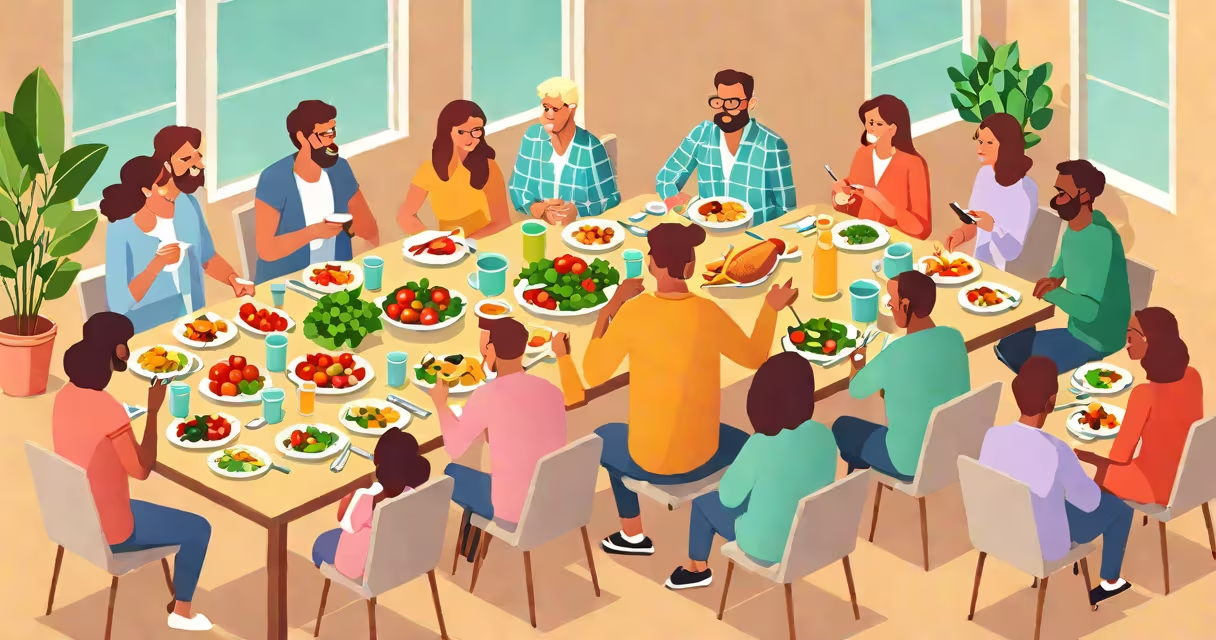
Community living connections are intentional arrangements where people share living spaces to build relationships and support networks. These setups often include co-housing projects, group homes, or shared apartments designed to build connection and mutual aid.
These arrangements typically involve residents agreeing to shared responsibilities, such as cooking, cleaning, or decision-making. Many communities establish guidelines to ensure fairness and respect among members. For example, a co-housing project in Portland, Oregon, operates with a consensus-based model where all major decisions require unanimous approval.
| Type | Description | Example |
|---|---|---|
| Co-housing | Intentional neighborhoods with private homes and shared common spaces | Ecovillage in Findhorn, Scotland |
| Group homes | Homes for people with similar needs, often with professional support | Housing for individuals with disabilities |
| Shared apartments | Apartments with multiple bedrooms and common areas | Student housing or roommate situations |
Many seek these arrangements to combat loneliness, reduce living costs, or live sustainably. A study by Stanford University found that residents in intentional communities report higher life satisfaction due to stronger social ties. Others join for ideological reasons, such as environmentalism or collectivism.
I once visited a co-housing community in California where residents pooled resources to build a community garden. The shared effort created a space for daily interaction, strengthening their sense of belonging.
Some believe community living connections require sacrificing privacy. However, most arrangements allow for personal space while encouraging shared activities. Others assume these setups are only for retirees or students, but they serve diverse groups, including families and young professionals.
Another myth is that these living situations are always informal. In reality, many have structured agreements to manage conflicts and responsibilities. For instance, some co-housing communities hire property managers to oversee maintenance and enforce rules.
Interested individuals can begin by researching existing models and connecting with like-minded people. Websites like Cohousing.org offer resources and directories of established communities. Potential founders should also consider legal structures, such as forming a cooperative or nonprofit, to manage shared assets and responsibilities.