Commensalism is a biological interaction where one organism benefits while the other is neither helped nor harmed. This one-sided relationship occurs when species live together without harming each other, though one gains advantages.
In commensal relationships, the benefiting organism gains resources, shelter, or transportation without negatively impacting its host. These interactions often develop through evolutionary processes where one species exploits available resources without triggering defensive responses from the host.
Commensalism can be categorized based on how the beneficiary gains advantage:
Commensal relationships are common in diverse ecosystems. For example, remoras attach to sharks to feed on scraps, gaining food without affecting the shark. Similarly, epiphytes like orchids grow on trees, using them for support while not harming the host plant.
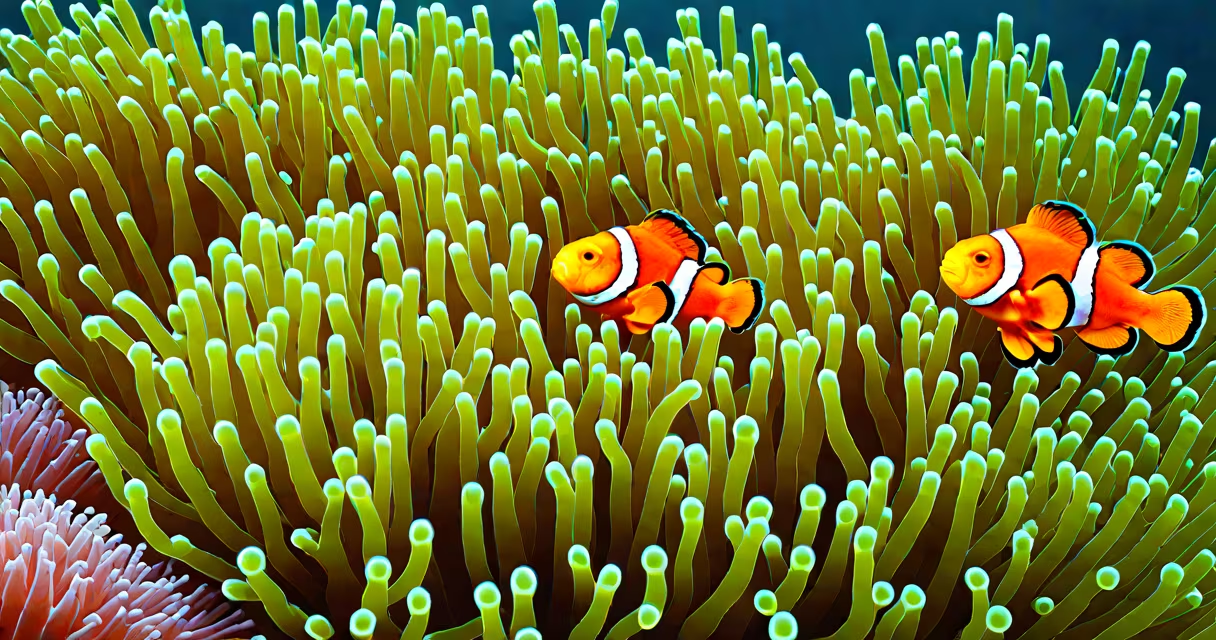
Many confuse commensalism with mutualism, where both organisms benefit, or parasitism, where one harms the other. Unlike mutualism, commensalism doesn't provide reciprocal benefits. Unlike parasitism, the host isn't harmed. For instance, clownfish living among sea anemones receive protection from predators while the anemone isn't affected-this is classic commensalism.
Another misconception is that commensalism always involves physical attachment. Some relationships are more subtle, like birds nesting in trees without harming them. These interactions show the diversity of commensal strategies.
While mutualism benefits both species, commensalism only benefits one. For example, bees pollinating flowers demonstrate mutualism because both gain nutrients. In contrast, a bird eating insects disturbed by a grazing cow shows commensalism-the bird benefits, but the cow isn't helped or harmed.
| Relationship | Benefits | Example |
|---|---|---|
| Commensalism | One organism benefits; the other is unaffected | Remora fish attaching to sharks |
| Mutualism | Both organisms benefit | Bees pollinating flowers |
| Parasitism | One organism benefits; the other is harmed | Ticks feeding on mammals |
Epiphytes like mosses and ferns grow on tree branches, using them for support without drawing nutrients. This relationship allows epiphytes to access sunlight while the host tree remains unaffected. Such interactions are common in tropical rainforests, where epiphytes cover tree canopies without harming the trees.
In forensic investigations, understanding commensal relationships can help trace evidence. For instance, insects found on a corpse may indicate time of death based on their commensal stages of development.
Commensalism is a fundamental biological interaction where one organism benefits while the other remains unaffected. From epiphytes growing on trees to remoras attaching to sharks, these relationships show the complexity of ecological interactions. Recognizing commensalism helps scientists understand how species coexist and adapt in diverse environments.