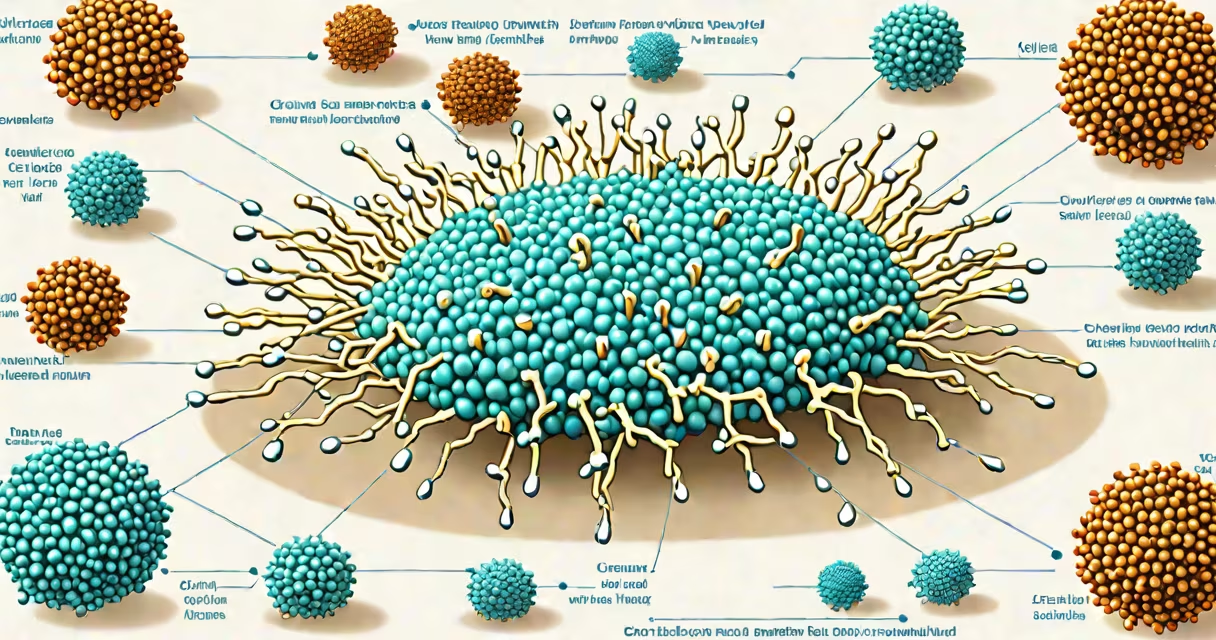
A common cold vaccine is a preventive shot designed to trigger immunity against rhinoviruses, the primary cause of colds. Unlike flu vaccines, no approved version exists due to the virus's high mutation rate and hundreds of strains.
Vaccines train the immune system to recognize and fight pathogens. For colds, this would require targeting rhinovirus proteins common across many strains. Researchers explore two main approaches:
Both methods face challenges due to rhinovirus diversity. The virus mutates rapidly, creating new strains that evade immune defenses. This requires vaccines to cover multiple strains simultaneously, complicating development.
| Strain Group | Number of Strains | Prevalence |
|---|---|---|
| Rhinovirus A | 74 | Most common |
| Rhinovirus B | 25 | Moderate prevalence |
| Rhinovirus C | 16 | Less common |
These groups account for nearly all cold cases. Developing a vaccine requires addressing all three, making the process complex.
Despite decades of research, no approved vaccine exists. The main obstacles include:
Researchers continue exploring solutions, including universal vaccines targeting conserved viral regions. Progress remains slow due to these challenges.
Unlike flu vaccines, which update annually to match circulating strains, a cold vaccine would need broader coverage. Flu vaccines target 3-4 strains, while a cold vaccine might require covering dozens. This complexity explains why development lags behind other vaccines.
Many assume cold vaccines exist or that they'd eliminate all colds. Neither is true. Even if developed, such vaccines would likely reduce severity and frequency rather than provide complete protection. Rhinovirus diversity ensures some strains would still cause infections.
Scientists explore novel vaccine technologies, including mRNA vaccines similar to COVID-19 shots. These could offer faster development and adaptation to new strains. Clinical trials test vaccines targeting conserved rhinovirus proteins, aiming for broad immunity.
While no timeline exists for approval, progress continues. Success could reduce millions of annual cold cases, easing healthcare burdens and improving quality of life.