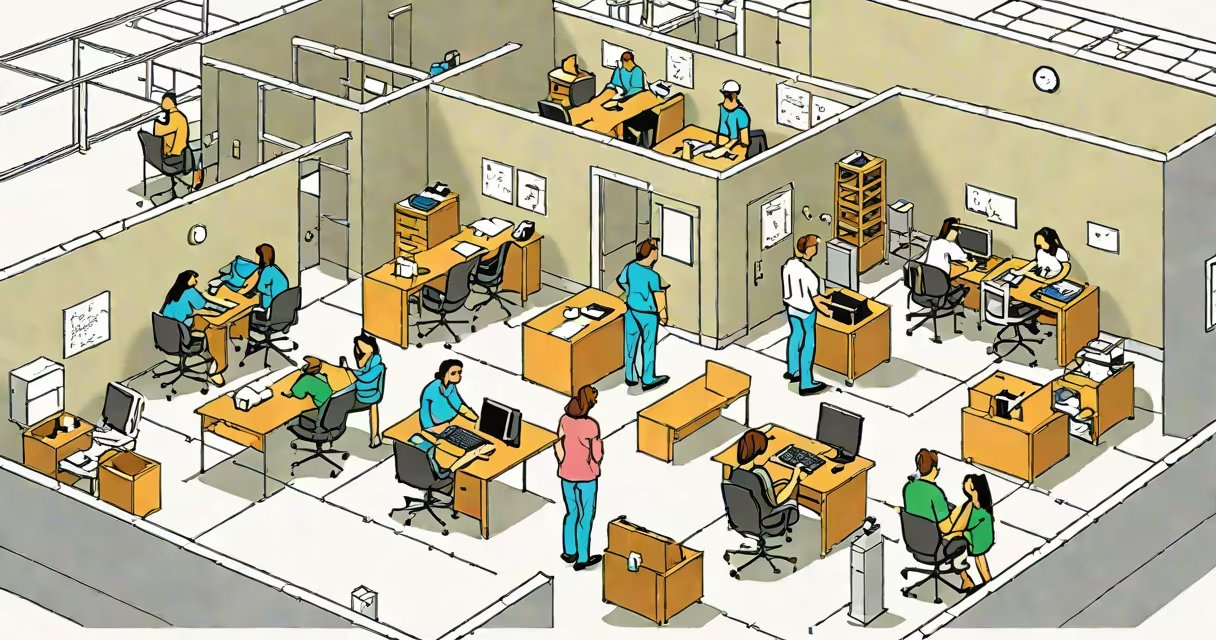
A community crisis center is a local nonprofit organization providing immediate support during emergencies, such as mental health crises, domestic violence, or homelessness. These centers offer confidential, free, or low-cost services to individuals and families in urgent need.
Staff typically include trained counselors, social workers, and volunteers. Many centers partner with law enforcement, hospitals, and shelters to provide complete care. According to the Substance Abuse and Mental Health Services Administration (SAMHSA), over 2,000 crisis centers operate nationwide, serving millions annually.
| Service Type | Example |
|---|---|
| 24/7 Hotlines | National Suicide Prevention Lifeline (988) |
| Walk-In Counseling | Immediate mental health assessments |
| Domestic Violence Shelters | Safe housing and legal aid |
| Homelessness Support | Food, clothing, and job placement |
Centers handle situations where immediate action is critical. Examples include suicidal thoughts, domestic abuse, or sudden homelessness. The National Alliance on Mental Illness (NAMI) advises calling even if unsure-staff can direct callers to appropriate resources.
Many centers accept walk-ins, but calling ahead ensures faster service. For instance, the Crisis Text Line allows texting "HOME" to 741741 for anonymous support.
Some believe crisis centers only handle mental health issues. In reality, they address many emergencies, including natural disasters and financial crises. Others assume centers require insurance, but most services are free or low-cost.
Another myth is that centers are only for adults. Many offer specialized programs for children and teens, such as school-based crisis intervention teams.
Start with a quick online search for "community crisis center near me." Websites like 211.org provide up-to-date listings. Local hospitals and police departments often maintain referral lists. If unsure, dial 911 for life-threatening emergencies.
I once helped a friend find support through a local center after a car accident left them homeless. The center provided temporary shelter, counseling, and job training-services that made a lasting difference.