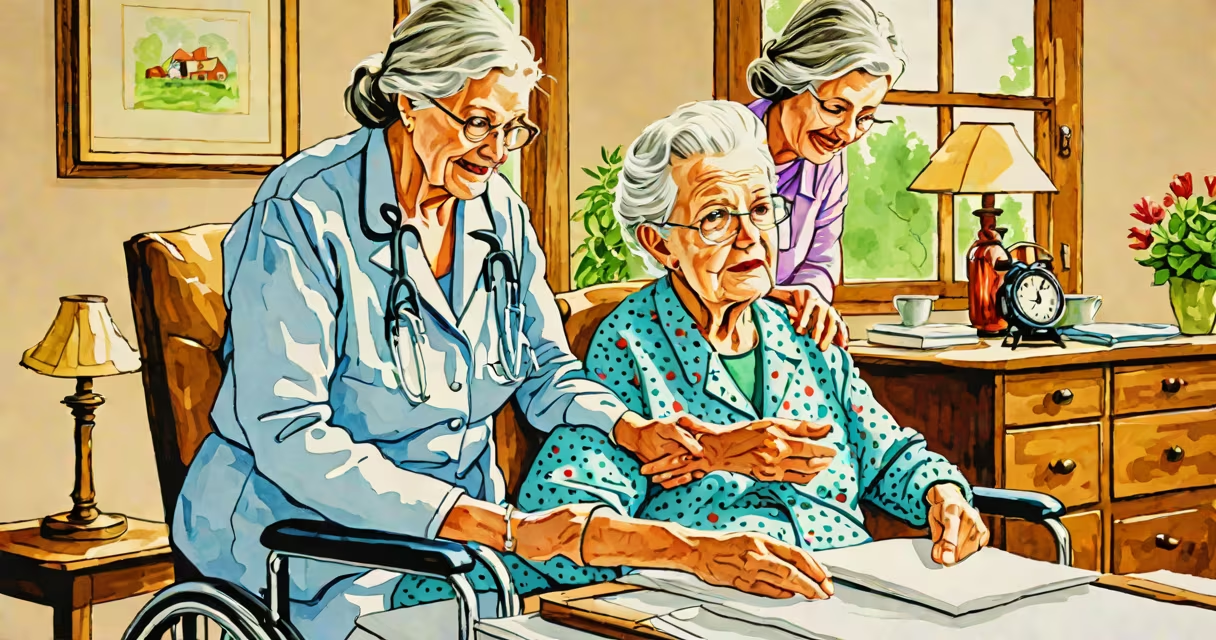
Community home health care delivers medical services in patients' homes, typically for recovery after hospitalization or management of chronic conditions. These services provide personalized care while allowing patients to remain in familiar surroundings.
A team of licensed healthcare professionals visits patients at home to administer treatments, monitor health status, and educate patients and caregivers about managing their conditions. Services may include wound care, medication management, physical therapy, and monitoring important signs. Providers coordinate with physicians to ensure continuity of care.
| Service Type | Description | Example |
|---|---|---|
| Skilled Nursing | Registered nurses provide medical treatments and monitoring | Wound care, IV therapy, diabetes management |
| Physical Therapy | Helps restore mobility and function after injury or illness | Exercise programs, gait training, pain management |
| Speech Therapy | Addresses communication and swallowing difficulties | Language exercises, swallowing techniques |
| Medical Social Work | Connects patients with community resources and support | Counseling, resource referrals, support groups |
This care model serves seniors, individuals recovering from surgery or illness, people with chronic conditions like diabetes or heart disease, and those needing short-term rehabilitation. It's particularly valuable for patients who have difficulty traveling to medical facilities or prefer home-based treatment.
For example, a 75-year-old patient recovering from hip replacement surgery might receive physical therapy at home to regain mobility. A diabetic patient could get regular blood sugar monitoring and education about managing their condition.
Many people confuse community home health care with non-medical home care services, which help with daily activities like bathing, dressing, and meal preparation. While both occur in the home, community home health care involves licensed medical professionals delivering clinical services.
Another misconception is that home health care is only for seniors. In reality, it serves patients of all ages recovering from illness, injury, or surgery. According to the National Association for Home Care & Hospice, more than 12 million Americans receive home health care each year.
When my grandfather recovered from pneumonia, he received community home health care for several weeks. A nurse visited daily to monitor his oxygen levels, administer medications, and check his condition. This allowed him to heal comfortably at home rather than staying in the hospital. The care team coordinated closely with his doctor to adjust treatments as needed.
Research shows that home health care can reduce hospital readmissions, lower healthcare costs, and improve patient satisfaction. A study published in the journal Health Affairs found that home health care reduced hospital readmissions by 25% for Medicare patients with chronic conditions.
Patients often recover faster in familiar environments. The comfort and security of home can boost morale and contribute to better health outcomes.