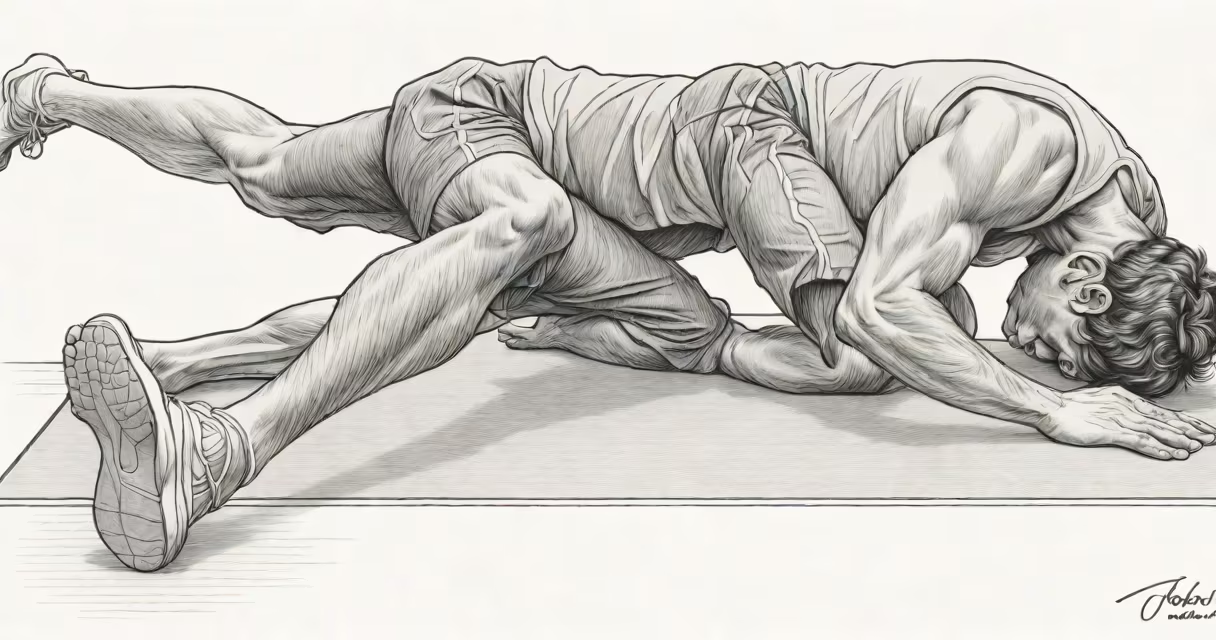
To decrease muscle soreness, use active recovery techniques, proper hydration, and targeted nutrition within 20-60 minutes after exercise. These methods address inflammation and microtears caused by intense physical activity.
Muscle soreness typically results from microscopic damage to muscle fibers during exercise. This damage triggers inflammation and delays recovery. Active recovery, such as light exercise or stretching, increases blood flow to affected muscles, speeding up repair. Hydration replenishes fluids lost through sweat, while nutrients like protein and antioxidants support tissue regeneration.
There are two primary types of muscle soreness:
Techniques to decrease muscle soreness are used by athletes, fitness enthusiasts, and anyone engaging in physical activity. Proper recovery reduces downtime, prevents injuries, and improves performance. For example, a runner might use foam rolling and ice baths to recover faster between long-distance training sessions.
Many people believe that complete rest is the best way to recover. However, research shows that light activity, such as walking or swimming, can actually speed up recovery by promoting blood flow. Another myth is that stretching before exercise prevents soreness. While stretching may improve flexibility, it doesn't reduce post-exercise soreness. Instead, changing stretches before workouts and static stretches afterward are more effective.
I've seen this firsthand while training for a marathon. After long runs, I used a combination of foam rolling, hydration, and protein shakes to decrease muscle soreness. This routine helped me return to training faster and avoid prolonged discomfort.
After a grueling leg day at the gym, Sarah experiences severe DOMS. To decrease muscle soreness, she follows these steps:
By combining these methods, Sarah reduces her muscle soreness within 48 hours.
Research from the Journal of Strength and Conditioning Research supports the use of active recovery and proper nutrition for reducing muscle soreness. A study published in the Journal of Science and Medicine in Sport found that foam rolling can decrease DOMS by up to 20%.