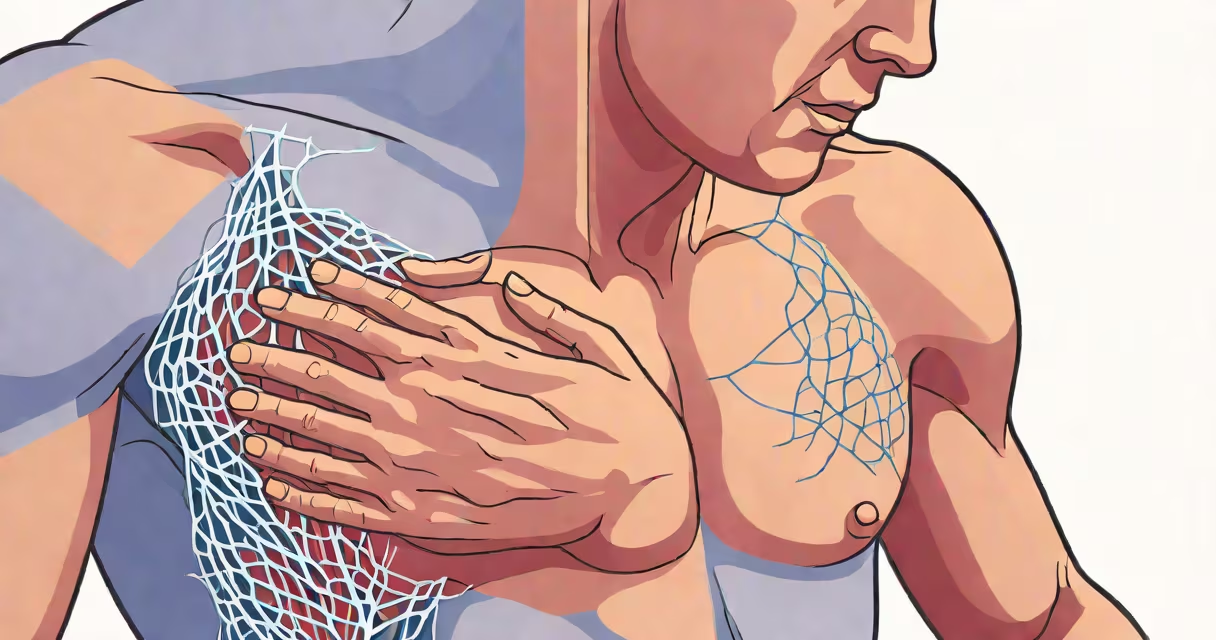
Deep breath pain in left side occurs when taking a deep inhalation causes discomfort on your left flank, chest, or back. This sharp or dull ache may stem from muscles, ribs, or internal organs like the lungs.
When you inhale deeply, your diaphragm contracts, expanding your rib cage. This movement stretches muscles between ribs and tissues lining lungs. Irritation or injury to these structures triggers pain during expansion.
Most cases result from benign conditions like muscle strains or costochondritis (rib cartilage inflammation). However, serious causes include pneumonia or lung cancer. The American Lung Association notes that sudden, severe pain warrants immediate evaluation.
| Cause | Characteristics | Associated Symptoms |
|---|---|---|
| Intercostal muscle strain | Sharp pain worsened by movement | Tenderness when pressing ribs |
| Costochondritis | Dull ache near sternum | Pain when pressing cartilage |
| Pleurisy | Severe stabbing pain | Shortness of breath, fever |
Many assume such pain always indicates heart issues. However, cardiac pain typically radiates to arms or jaw, while left-side breathing pain usually stays localized. A 2018 study in Journal of Clinical Medicine found only 3% of chest pain cases involved cardiac causes.
After lifting heavy boxes, Sarah noticed sharp pain when taking deep breaths on her left side. The discomfort worsened when twisting her torso. Her doctor diagnosed an intercostal muscle strain, prescribing rest and anti-inflammatory medication. Within two weeks, symptoms resolved completely.
I experienced similar discomfort after intense gardening. The pain appeared suddenly when inhaling deeply. A physical therapist confirmed strained chest muscles and recommended targeted stretches, which helped within days.
Consult a physician if pain persists beyond a few weeks, accompanies fever/cough, or occurs with unexplained weight loss. The Mayo Clinic advises evaluating pain that disrupts sleep or daily activities. Sudden, severe pain with shortness of breath requires emergency care.
Warm up properly before strenuous activity to prevent muscle strains. Practice good posture to avoid unnecessary rib stress. If diagnosed with costochondritis, avoid activities that worsen pain until healed.