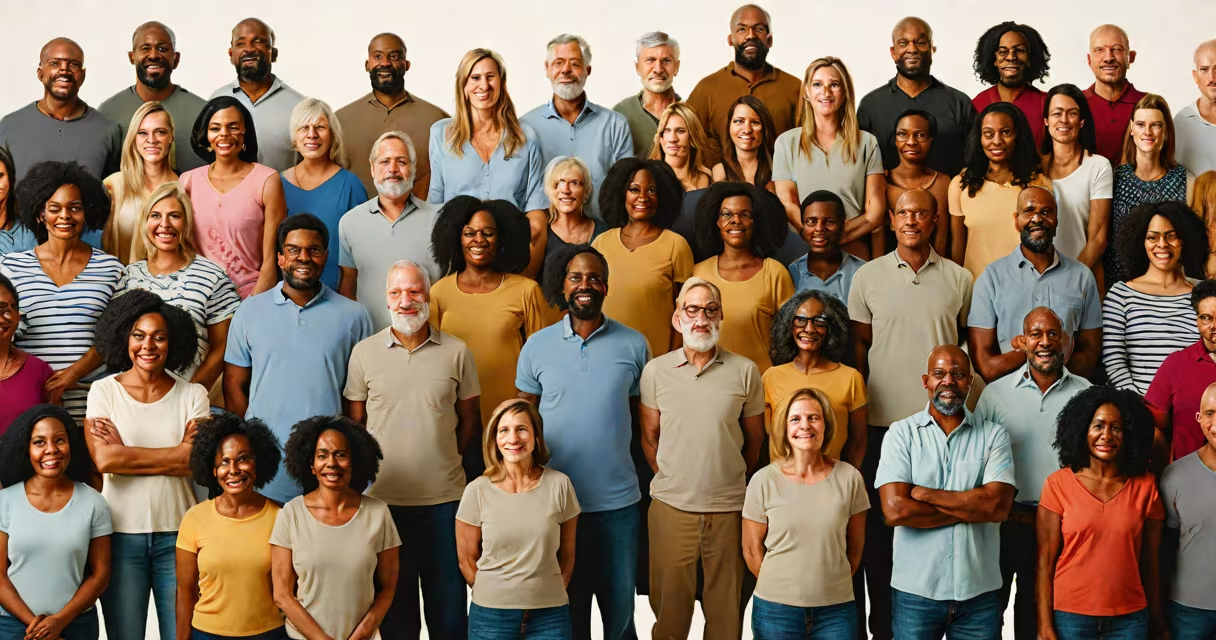
Humanity refers to the human race as a whole, characterized by shared qualities such as intelligence, emotion, creativity, and moral reasoning. It encompasses both the biological aspects of being human and the cultural, social, and philosophical dimensions that define our existence.
From a biological standpoint, humanity is defined by the species Homo sapiens. We share approximately 98.7% of our DNA with our closest relatives, the chimpanzees. Key biological traits include bipedal locomotion, complex language, and a highly developed neocortex, which enables advanced cognitive functions like reasoning, problem-solving, and abstract thinking.
The human brain, weighing about 3 pounds, contains roughly 86 billion neurons. This complexity allows for consciousness, self-awareness, and the ability to reflect on our own existence-a defining aspect of humanity.
Beyond biology, humanity is shaped by culture, society, and shared experiences. Cultural practices, languages, religions, and traditions vary widely across different regions and historical periods. For instance, the seven sacraments in Christianity represent sacred rituals that have shaped the lives of millions, illustrating how cultural practices define humanity.
Philosophers have long debated the nature of humanity. Aristotle viewed humans as rational animals, emphasizing the role of reason in defining our species. Immanuel Kant argued that humanity's unique capacity for moral reasoning sets us apart from other beings. More recently, existentialists like Jean-Paul Sartre explored the idea of human freedom and the absence of predetermined meaning in life.
A lesser-known but intriguing perspective comes from the field of transhumanism, which posits that humanity is not static but can be enhanced through technology. This view challenges traditional definitions and raises ethical questions about what it means to be human in an increasingly technological world.
One common misconception is that humanity is solely defined by our biological traits. While biology is a fundamental aspect, it is only part of the story. Another mistake is assuming that all humans share the same values and behaviors universally. In reality, cultural diversity means that expressions of humanity vary widely.
For example, the concept of "human rights" is not universally interpreted the same way across different cultures. What is considered a basic human right in one society may not hold the same significance in another, demonstrating the complexity of defining humanity.
The definition of humanity is multifaceted, encompassing biological, cultural, social, and philosophical dimensions. Understanding humanity requires recognizing both our shared traits and our diverse expressions of what it means to be human. From biological evolution to cultural practices and philosophical inquiries, humanity is a changing and changing concept.