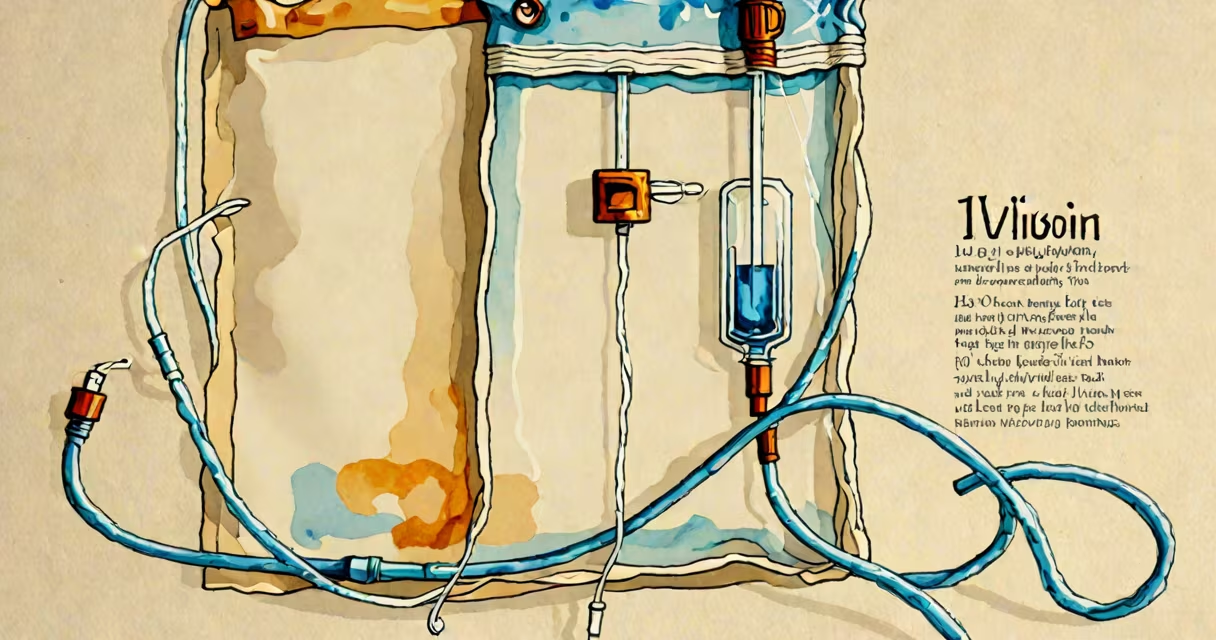
IV infusion is a medical procedure where fluids, medications, or nutrients are administered directly into a vein using a needle or catheter. This method allows for rapid delivery of treatments, precise control of dosage, and immediate effects on the body.
An IV infusion system consists of several key components: an IV bag containing the solution, tubing that connects the bag to the patient, and a needle or catheter inserted into a vein. The solution flows from the bag through the tubing and into the vein, where it enters the bloodstream.
The rate of infusion is controlled by a device called an infusion pump, which regulates the flow of the solution. This helps the patient receives the correct dosage at a consistent rate. The process is typically carried out in a clinical setting, such as a hospital or outpatient clinic, under the supervision of healthcare professionals.
| Type | Description | Examples |
|---|---|---|
| Hydration Therapy | Administers fluids to treat dehydration | Saline solution, electrolyte solutions |
| Medication Infusion | Delivers drugs directly into the bloodstream | Chemotherapy, antibiotics, pain relievers |
| Nutritional Support | Provides essential nutrients for patients who cannot eat | Total parenteral nutrition (TPN), lipid emulsions |
IV infusions are commonly used in hospitals, clinics, and emergency rooms to treat many conditions. They are particularly useful in situations where rapid delivery of fluids or medications is necessary, such as during surgeries, emergencies, or for patients who are unable to take medications orally.
For example, IV infusions are often used to administer chemotherapy to cancer patients. The chemotherapy drugs are delivered directly into the bloodstream, allowing them to reach the cancer cells quickly and effectively. IV infusions are also used to provide hydration and electrolytes to patients who are dehydrated due to illness or injury.
One common misconception about IV infusions is that they are always painful. While the initial insertion of the needle can be uncomfortable, the actual infusion process is usually painless. Another misconception is that IV infusions are only used in hospitals. In reality, IV therapy is also available in outpatient settings and even in some mobile clinics.
Some people believe that IV infusions are only used for medical treatments. However, IV therapy is also used for nutritional support and hydration in non-medical settings, such as wellness centers and sports medicine clinics. For instance, athletes may receive IV infusions to replenish fluids and electrolytes after intense physical activity.
I once observed an IV infusion being administered to a patient in a hospital setting. The nurse carefully inserted the needle into the patient's vein and connected the tubing to the IV bag. The infusion pump was set to the appropriate rate, and the solution flowed smoothly into the patient's bloodstream. The process was efficient and relatively painless, demonstrating the effectiveness of IV therapy in delivering rapid treatment.
Understanding the definition of IV infusion and its various applications can help patients and caregivers make informed decisions about their healthcare. IV therapy is a versatile and effective method for delivering fluids, medications, and nutrients directly into the bloodstream, providing rapid relief and support for many conditions.