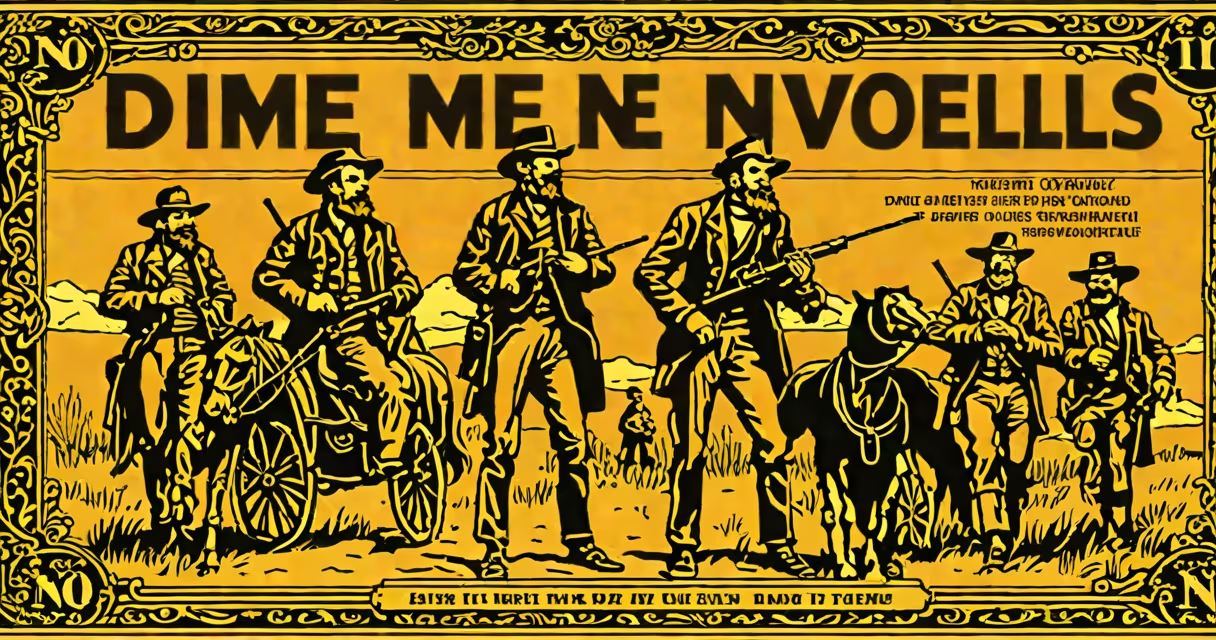
Dime novels were inexpensive, mass-produced paperback books popular in the United States during the late 19th and early 20th centuries. These small, pocket-sized publications typically cost ten cents and featured sensational stories, often about crime, adventure, or romance.
Dime novels emerged as a response to the growing demand for affordable entertainment among the working class. Publishers like Beadle and Adams capitalized on this trend by producing books quickly and inexpensively. The stories were often serialized, with new installments released periodically to keep readers engaged.
The most common types of dime novels included:
Dime novels became a cultural phenomenon due to their affordability and accessibility. They provided a form of escapism for readers, offering exciting stories that transported them to different worlds., the serial nature of these publications encouraged repeat purchases, creating a loyal readership.
Many people confuse dime novels with other forms of cheap literature, such as penny dreadfuls from Britain or pulp magazines. However, dime novels were distinct in their format, price, and content. Unlike penny dreadfuls, which were often longer and more expensive, dime novels were designed to be quick, entertaining reads.
Another misconception is that dime novels were solely for children. While they were popular among younger readers, they also attracted a significant adult audience. The stories often contained complex themes and moral lessons that resonated with readers of all ages.
Dime novels played a important role in the development of American literature. They introduced many readers to the joy of reading and paved the way for the modern mass-market paperback industry. Some notable authors, such as Mark Twain, even drew inspiration from dime novels in their own works.
During a visit to a vintage bookstore, I stumbled upon a collection of dime novels from the late 1800s. The worn covers and yellowed pages told a story of their own, hinting at the countless readers who had enjoyed these tales over the years. Holding one of these small books, I could almost feel the excitement and anticipation that must have accompanied each new installment.
Dime novels were more than just cheap entertainment; they were a significant part of American literary history. Their impact on the publishing industry and their influence on modern genres cannot be overstated. Understanding the dime novels definition helps us appreciate the evolution of literature and the enduring power of storytelling.