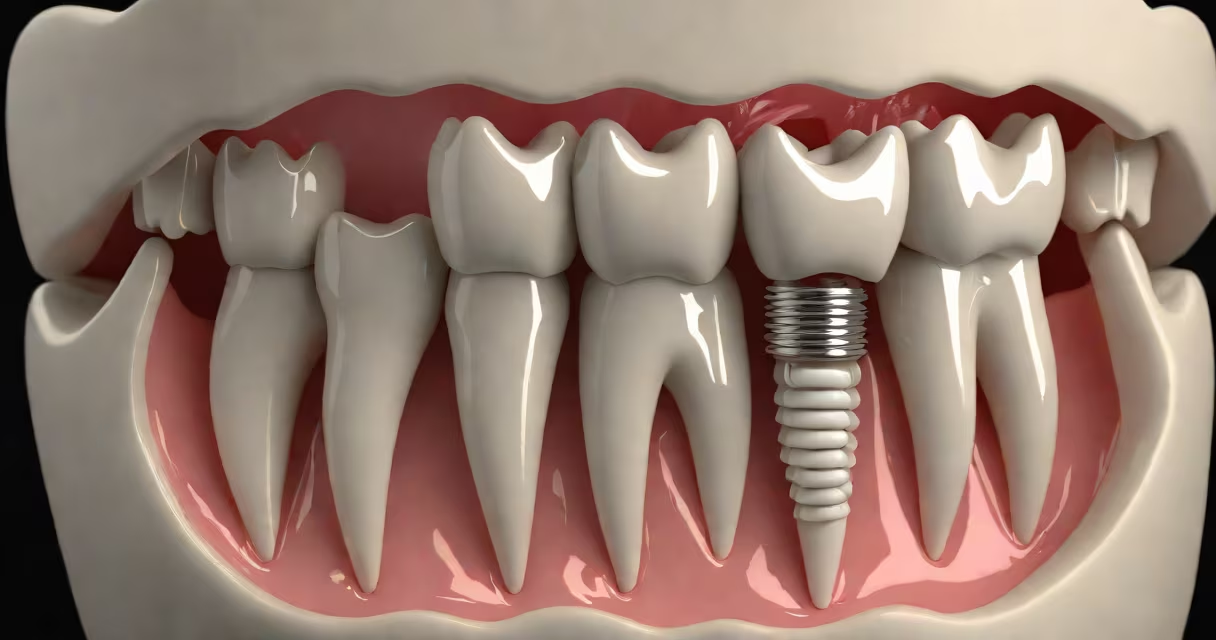
Wisdom teeth removal is often recommended to prevent crowding, impaction, or infection, though not everyone needs extraction. Dentists evaluate each case individually.
Wisdom teeth, or third molars, typically emerge between ages 17 and 25. Many people don't have enough room in their jaws for these teeth, leading to problems. Removal involves a surgical procedure where the dentist or oral surgeon extracts the teeth. The process takes about 45 minutes per arch.
Wisdom teeth can cause several problems:
Most extractions happen between ages 15 and 25, when roots aren't fully formed. Common reasons for removal include:
According to the American Association of Oral and Maxillofacial Surgeons, about 85% of wisdom teeth will eventually need removal due to these issues.
Some people keep their wisdom teeth if they're healthy, properly aligned, and not causing problems. However, even asymptomatic wisdom teeth may require removal later, as complications can develop over time.
Many people assume wisdom teeth always need removal, but that's not true. Some individuals have enough space in their mouths for these teeth to grow in normally. Others mistakenly think removal is only for pain relief, but preventive extractions are common to avoid future issues.
I've seen cases where patients delayed removal until their wisdom teeth caused severe damage to neighboring teeth. Early evaluation and extraction can prevent more complex surgeries later.