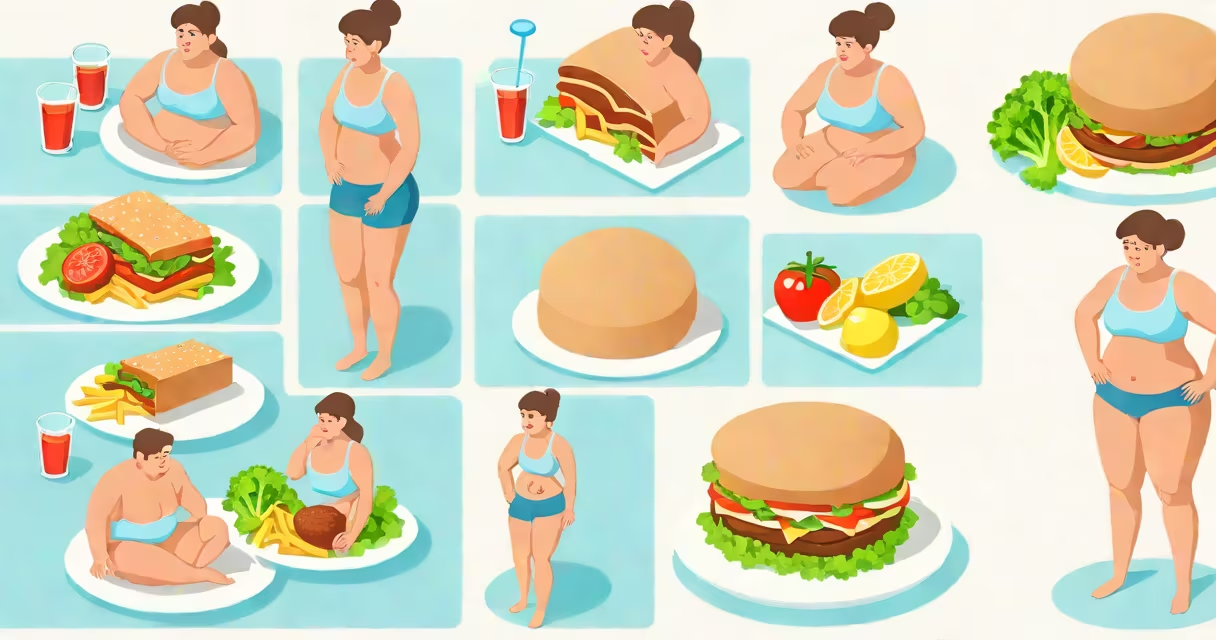
Bloating causes temporary weight gain from water retention, not fat storage. The scale may show higher numbers, but this increase disappears within days. True weight gain requires long-term calorie surplus.
Bloating occurs when your digestive system fills with air or gas, causing your abdomen to swell. This swelling displaces fluid in your tissues, increasing body weight by 2-5 pounds temporarily. The National Institute of Diabetes and Digestive and Kidney Diseases confirms that bloating affects about 16-31% of people regularly.
When bloated, your intestines may absorb less water, forcing your body to retain more fluids. This excess water accumulates in your abdominal cavity and tissues, adding to your weight. Unlike fat storage, which takes weeks to develop, bloating causes immediate but short-lived weight changes.
| Characteristic | Bloating | Fat Storage |
|---|---|---|
| Duration | Hours to days | Weeks to months |
| Weight Change | 2-5 pounds | Gradual increase |
| Body Appearance | Swollen abdomen | Generalized fat distribution |
| Cause | Gas, water retention, food intolerances | Calorie surplus |
Bloating results from various factors, including:
While occasional bloating is normal, persistent or severe bloating may indicate an underlying health issue. Consult a healthcare provider if you experience:
The American Gastroenterological Association recommends seeking medical attention if bloating interferes with daily activities or persists for more than three weeks.
Last winter, I noticed increased bloating after meals. Tracking my diet revealed that dairy products triggered my symptoms. Reducing my intake of cheese and milk improved my comfort levels within a week. This experience taught me the importance of identifying personal food triggers.