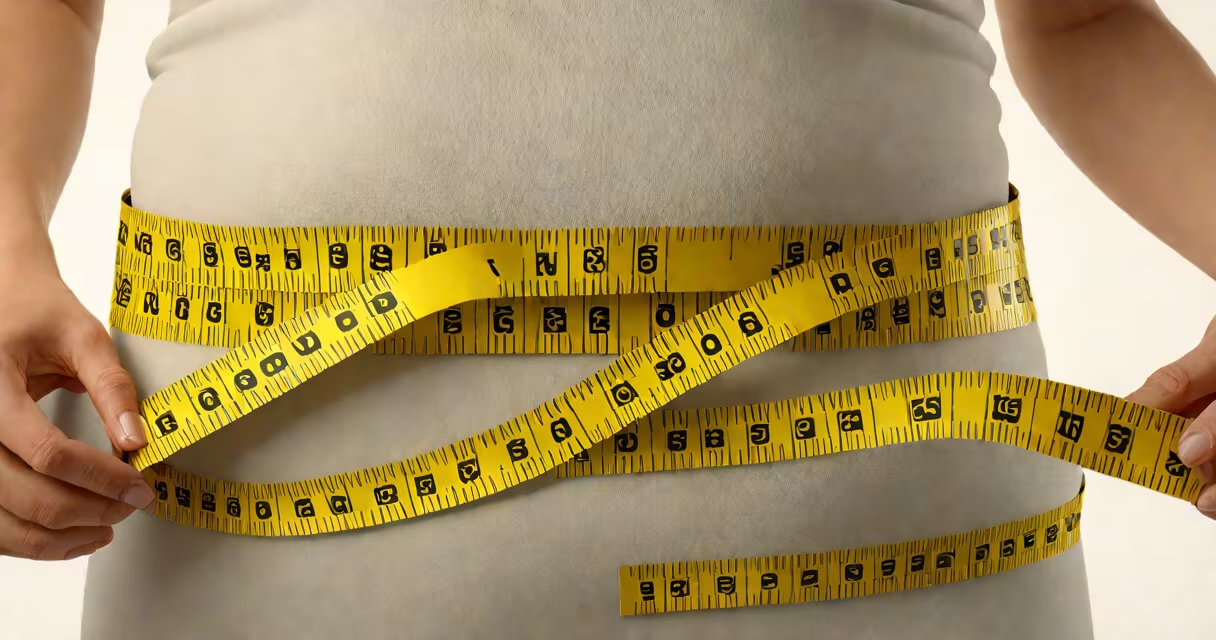
Stomach wraps are compression garments designed to temporarily reduce waist size by holding in abdominal tissue. They do not cause permanent weight loss or fat reduction.
These wraps create external pressure on the abdomen, pushing internal organs inward. This effect is purely cosmetic and lasts only while wearing the garment. The wraps do not affect underlying fat or muscle tissue.
| Type | Material | Common Use |
|---|---|---|
| Neoprene wraps | Synthetic rubber | Exercise, post-surgery support |
| Velcro wraps | Cotton with Velcro closure | Everyday wear, posture support |
| Corset-style wraps | Elastic materials with lacing | Formal wear, waist training |
Research shows stomach wraps can reduce waist circumference by 0.5 to 2 inches temporarily. However, they don't address the root causes of belly fat, such as diet and exercise. A study published in the Journal of Strength and Conditioning Research found that waist training had no significant impact on fat distribution or metabolism.
Many people confuse stomach wraps with waist trainers or shapewear. While all provide temporary compression, only consistent exercise and proper nutrition lead to lasting fat loss. Stomach viruses, which can cause temporary bloating, are unrelated to the effectiveness of these wraps.
I tried a neoprene wrap during a workout once. It did make my core feel more supported, but I noticed no difference in fat loss afterward. The effect was purely about appearance during the activity.
For actual fat loss, focus on core-strengthening exercises and a balanced diet. Intermittent fasting may also help with weight management. Unlike stomach wraps, these approaches create lasting changes in body composition.