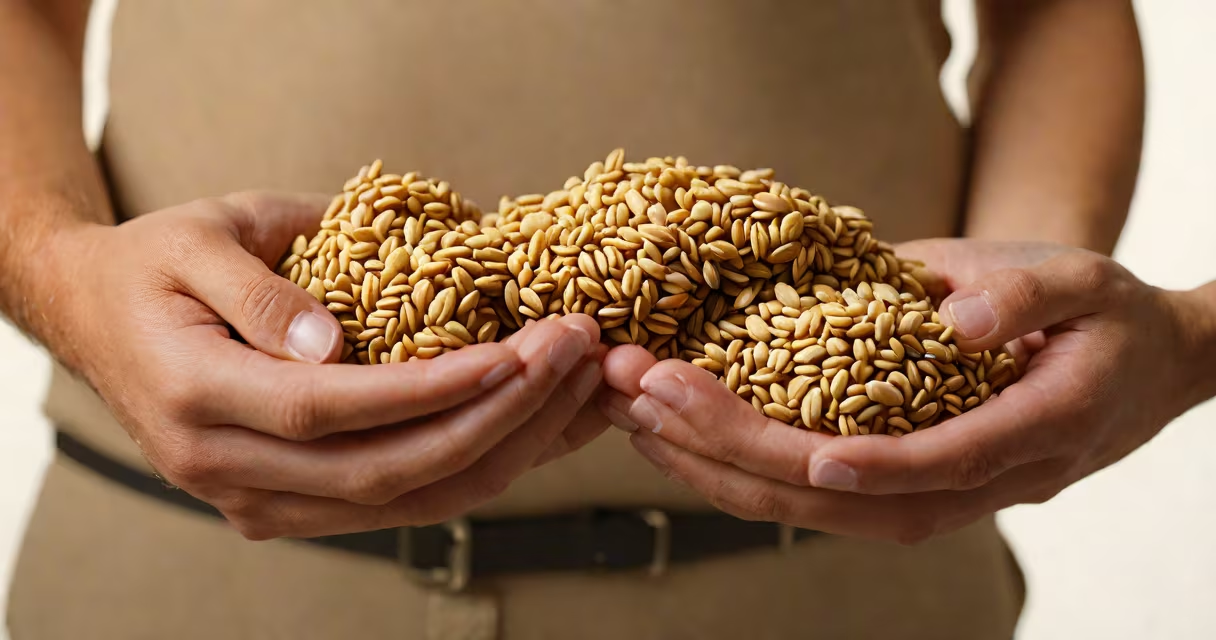
Gluten intolerance can cause bloating, particularly in people with celiac disease or non-celiac gluten sensitivity. This happens because gluten triggers inflammation and disrupts digestion in susceptible individuals.
When someone with gluten intolerance consumes gluten, their immune system reacts by attacking the small intestine. This damages the gut lining and reduces its ability to absorb nutrients efficiently. As a result, undigested food particles ferment in the gut, producing gas and causing bloating.
| Condition | Cause | Bloating Risk |
|---|---|---|
| Celiac disease | Autoimmune reaction to gluten | High |
| Non-celiac gluten sensitivity | Unknown, possibly immune-related | Moderate |
| Wheat allergy | Allergic reaction to wheat proteins | Low to moderate |
Many people assume that gluten always causes bloating, but this isn't true. Some individuals experience bloating due to other factors, such as beetroot or high-FODMAP foods., gluten intolerance is often confused with lactose intolerance, which can also lead to bloating.
I once worked with a client who struggled with persistent bloating. After eliminating gluten from their diet, their symptoms improved. However, we later discovered that their primary issue was actually a sensitivity to dairy, not gluten. This highlights the importance of proper diagnosis.
If bloating persists even after removing gluten, it's important to consult a healthcare professional. Chronic bloating can indicate other digestive issues, such as irritable bowel syndrome (IBS) or small intestinal bacterial overgrowth (SIBO). A doctor can help determine the root cause and recommend appropriate treatment.