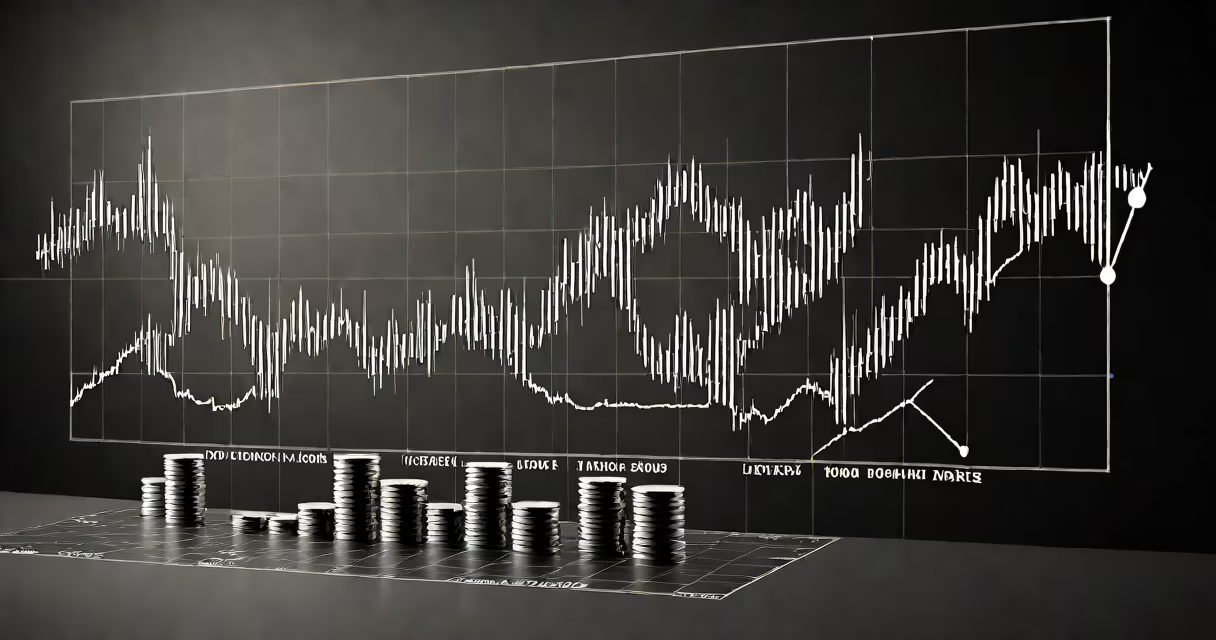
The Dow Jones Industrial Average (DJIA) is a price-weighted index tracking 30 large, publicly traded U.S. companies, serving as a key benchmark for the stock market. Created in 1896, it represents a snapshot of economic health through its selection of blue-chip stocks.
The DJIA calculates its value by summing the prices of the 30 component stocks and dividing by a divisor adjusted for stock splits and corporate actions. Unlike other indices, it doesn't account for company size or market capitalization, focusing solely on share price.
For example, if a stock's price rises, it disproportionately affects the index compared to a smaller company's stock. This method contrasts with market-cap-weighted indices like the S&P 500.
The original DJIA included 12 industrial companies, such as American Cotton Oil and Tennessee Coal, Iron & Railroad. Today, its components span diverse sectors, including technology, finance, and healthcare. Notable additions over time include:
As of 2023, the Dow includes companies like UnitedHealth Group, Goldman Sachs, and Visa. The index undergoes periodic adjustments to reflect shifts in the economy.
The DJIA has weathered numerous economic events, from the Great Depression to the dot-com bubble. Here are some key moments:
| Year | Event | Dow Value |
|---|---|---|
| 1929 | Wall Street Crash | 381 |
| 1956 | First close above 500 | 500 |
| 1987 | Black Monday | 1,738 |
| 2008 | Financial Crisis Low | 6,594 |
| 2020 | COVID-19 Recovery Peak | 30,000 |
These fluctuations illustrate how external factors impact investor confidence and market stability.
Another myth is that the Dow's performance mirrors economic growth. While it provides a snapshot, it excludes small-cap and international stocks, limiting its scope.
For long-term investors, ETFs like the SPDR Dow Jones Industrial Average ETF (DIA) offer exposure to the index's performance. These tools provide flexibility for various trading strategies.
The DJIA remains a critical gauge of market sentiment, even as newer indices gain popularity. Its historical significance and media coverage make it a go-to reference for investors and economists alike.