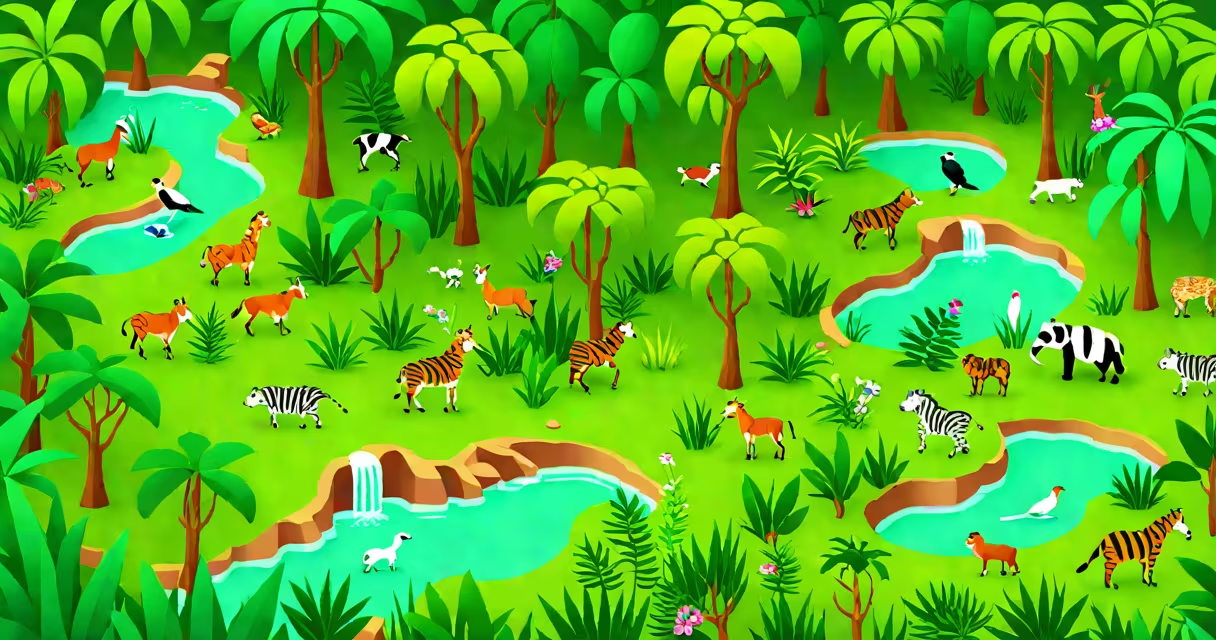
Biodiversity refers to the variety of life at genetic, species, and system levels. It includes all living organisms, their interactions, and the environments they inhabit.
Biodiversity maintains ecological balance. For example, in a healthy forest, different species interact through predation, pollination, and decomposition. Each plays a role in sustaining the system.
Genetic diversity within species allows populations to adapt to environmental changes. Species diversity ensures ecosystems remain resilient. System diversity provides varied habitats, each with unique functions.
| Type | Description | Example |
|---|---|---|
| Genetic Diversity | Variation within a species' gene pool | Different strains of maize adapted to various climates |
| Species Diversity | Variety of species within a region | Over 1,500 bird species in the Amazon rainforest |
| System Diversity | Variety of habitats and ecological processes | Coral reefs, mangrove swamps, and seagrass beds in coastal areas |
Biodiversity hotspots include tropical rainforests, coral reefs, and wetlands. The Amazon rainforest alone houses 10% of Earth's known species. Coral reefs, though covering less than 1% of the ocean floor, support 25% of marine life.
Urban areas also host biodiversity. Parks, gardens, and green roofs provide habitats for birds, insects, and plants. Even small urban ponds can support diverse aquatic life.
Biodiversity ensures system services like pollination, water purification, and disease regulation. For instance, bees pollinate crops, while wetlands filter pollutants from water. Losing biodiversity disrupts these services, threatening food security and human health.
Conserving biodiversity requires protecting habitats, restoring degraded ecosystems, and promoting sustainable practices. For example, agroforestry integrates trees with crops, enhancing biodiversity and soil health.
Many assume biodiversity only exists in remote, pristine locations. However, it thrives in urban areas too. A single city park can host dozens of bird species, hundreds of plant species, and numerous insects.
Another misconception is that biodiversity is static. In reality, it constantly changes due to natural processes like migration, evolution, and climate shifts. Human activities also alter biodiversity, sometimes rapidly.
I once visited a small urban garden that demonstrated biodiversity's resilience. Despite being surrounded by concrete, the garden hosted bees, butterflies, and even a few small birds. This showed me how even tiny green spaces contribute to biodiversity.