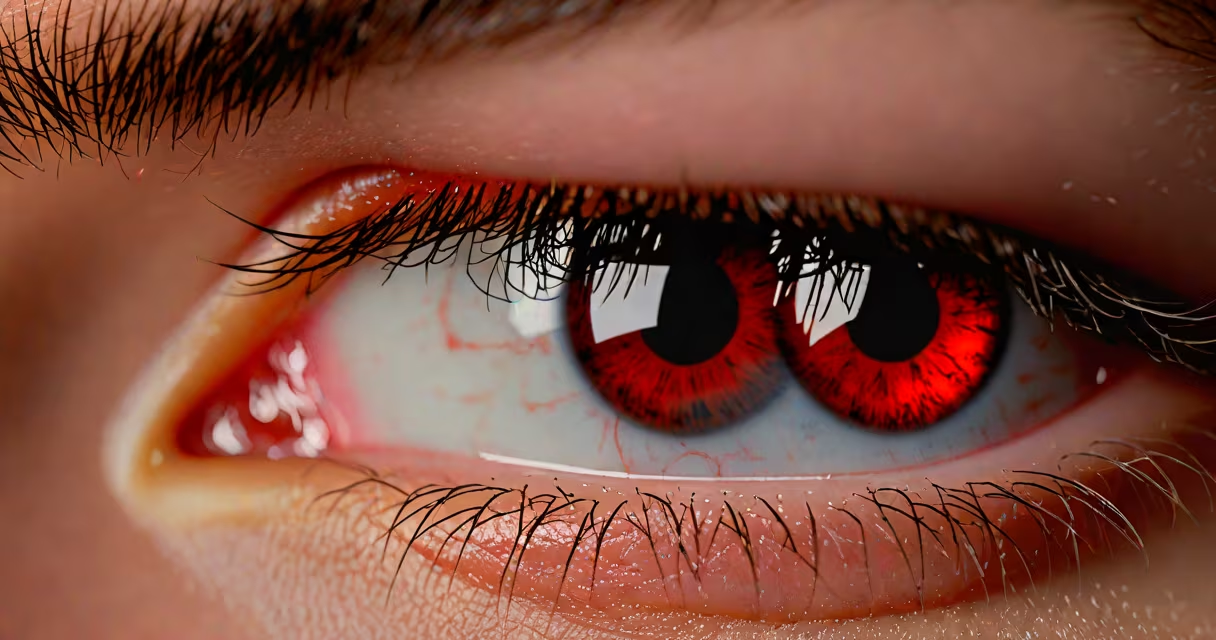
Eye drops for blood in eye reduce redness from burst blood vessels, but they don't treat the underlying cause. These drops work by constricting blood vessels, making the redness less noticeable.
Most eye drops for blood in eye contain tetrahydrozoline or naphazoline, which shrink blood vessels. This reduces the visibility of the red spot caused by a subconjunctival hemorrhage-a common condition where a small blood vessel bursts in the eye.
These drops provide temporary relief but don't heal the underlying issue. The redness usually fades on its own within a few days, even without treatment.
| Type | Active Ingredient | Effect |
|---|---|---|
| Redness-relief drops | Tetrahydrozoline or Naphazoline | Constricts blood vessels |
| Lubricating drops | Hypromellose or Polyethylene Glycol | Moisturizes and soothes |
| Antihistamine drops | Ketotifen or Olopatadine | Reduces allergic reactions |
Use redness-relief eye drops only occasionally. Overuse can lead to rebound redness, where the blood vessels widen again, making the redness worse. If the redness persists beyond a week or is accompanied by pain, vision changes, or other symptoms, see a doctor.
For minor cases, lubricating drops can help if dryness contributes to irritation. However, they won't directly address the blood spot.
Many people assume these drops cure the underlying issue, but they only mask the appearance. A subconjunctival hemorrhage typically resolves on its own without treatment.
Another misconception is that all red-eye drops are safe for frequent use. Some contain vasoconstrictors that can damage the eyes if overused. Always follow the instructions on the package.
In rare cases, persistent redness could indicate a more serious issue, such as glaucoma or an infection. A doctor can determine the cause and recommend appropriate treatment.