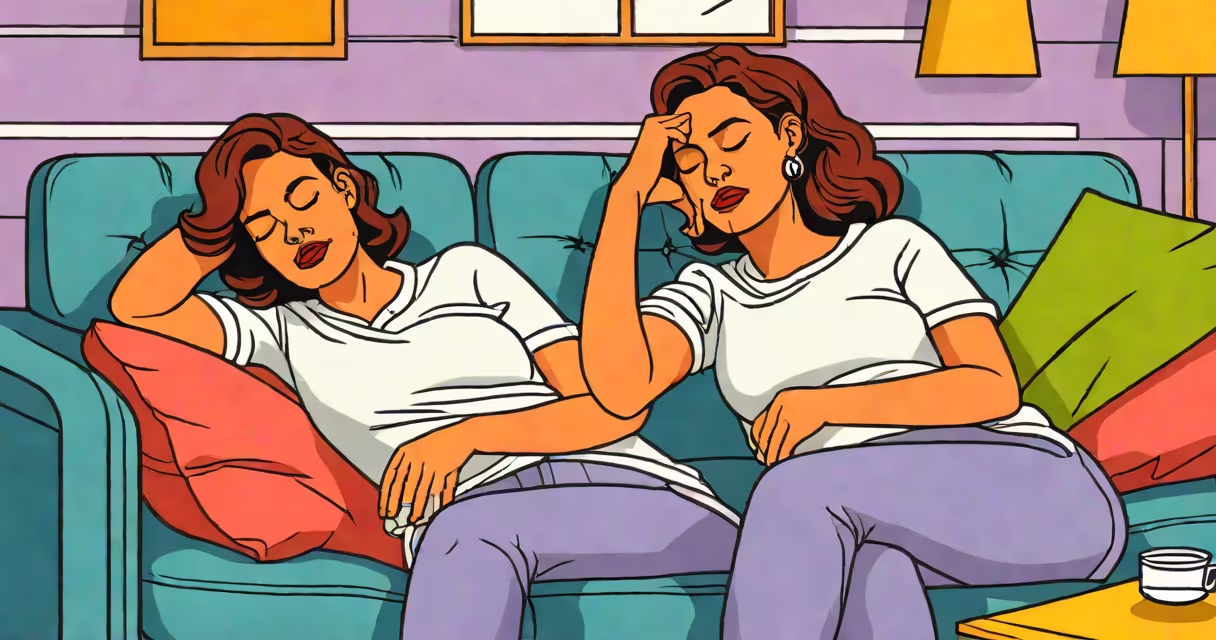
Feeling extremely tired during ovulation is common due to hormonal fluctuations that impact energy levels. This fatigue typically occurs mid-cycle, around day 14 of a 28-day cycle, though timing varies.
Estrogen peaks just before ovulation, then drops sharply afterward. This rapid change can cause fatigue, along with other symptoms like breast tenderness (read more about breast tenderness during ovulation). Progesterone also rises, which may contribute to sleep disturbances and daytime tiredness.
Fatigue during ovulation can manifest in different ways:
To combat fatigue, prioritize hydration, balanced meals, and light exercise like walking or yoga. A 2018 study in Frontiers in Psychology found that regular physical activity improves energy levels during hormonal fluctuations. Prioritize sleep hygiene, such as keeping a consistent bedtime and avoiding screens before bed.
If fatigue persists beyond ovulation or interferes with daily life, consult a healthcare provider. Underlying conditions like thyroid disorders or anemia may worsen hormonal fatigue. A doctor can rule out other causes and suggest treatments.
While ovulation fatigue is normal, understanding its causes and managing symptoms can help maintain energy levels throughout the menstrual cycle.