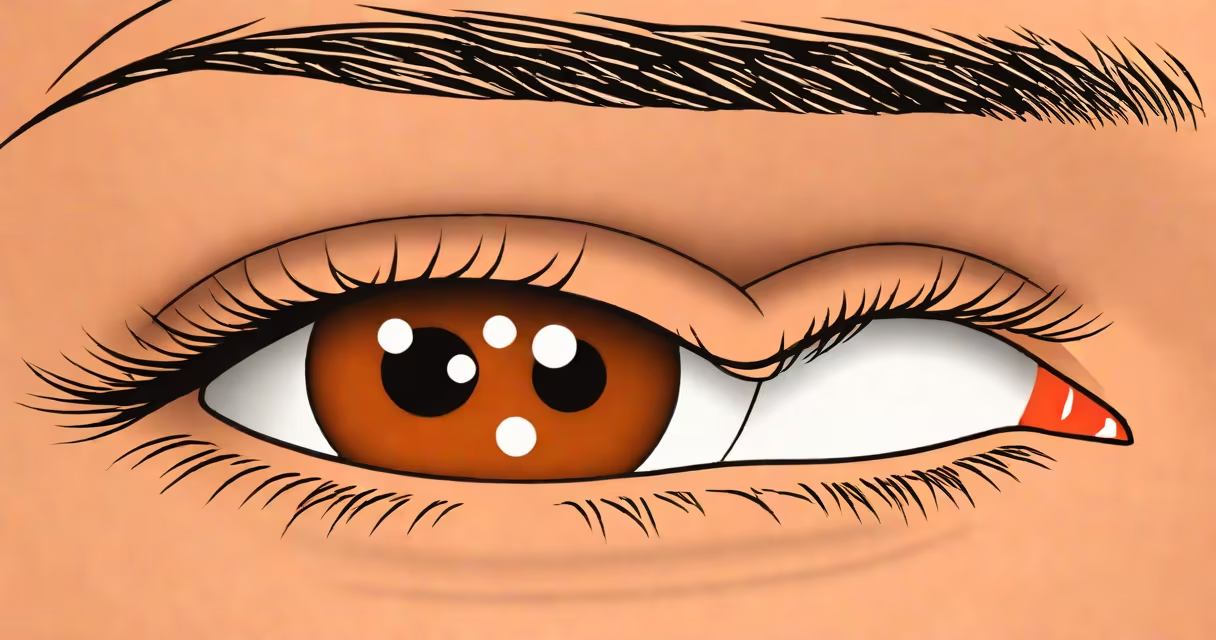
Eye bag muscle twitching occurs when the orbicularis oculi muscle spasms near the lower eyelid, often due to fatigue or stress. These involuntary contractions typically last seconds to minutes and resolve on their own.
The orbicularis oculi muscle encircles the eye and controls blinking. When this muscle twitches near the lower eyelid, it creates a visible quiver in the under-eye area. Unlike blepharospasm-a sustained, forceful eyelid spasm-eye bag twitching is usually mild and temporary.
Common triggers include:
Rarely, chronic twitching may signal neurological conditions like dry eye syndrome or, in extreme cases, blepharospasm. However, most cases are harmless.
Consult a doctor if twitching persists beyond two weeks, worsens, or spreads to other facial muscles. Sudden onset or asymmetry may indicate an underlying issue. According to the American Academy of Ophthalmology, persistent twitching warrants medical evaluation.
Most cases resolve with rest and stress reduction. Reducing caffeine intake, using artificial tears for dry eyes, and ensuring adequate magnesium through diet or supplements can help. For persistent cases, botulinum toxin injections may be recommended.
I once experienced eye bag twitching after an all-nighter before an exam. The twitching stopped within hours after I slept for eight hours straight. While annoying, it was harmless and resolved quickly.