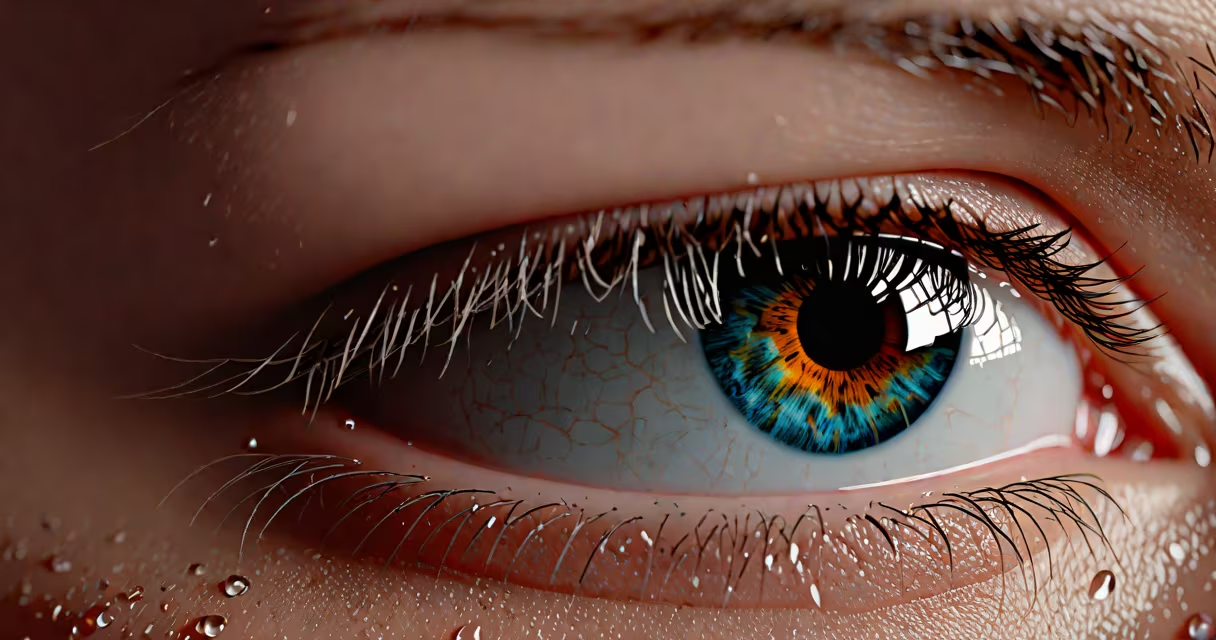
Eye twitching and watery eyes typically result from fatigue, stress, or eye strain, though they can also signal dry eye syndrome or allergies. Most cases resolve on their own, but persistent symptoms warrant medical attention.
Eye twitching (blepharospasm) involves involuntary muscle contractions around the eye. Watery eyes occur when the tear glands overproduce tears, often due to irritation or dryness. Both conditions share common triggers like screen use, lack of sleep, or environmental factors.
The most frequent causes of eye twitching and watery eyes include:
Consult a healthcare provider if symptoms persist beyond two weeks, worsen suddenly, or accompany other issues like vision changes or headaches. Persistent eye twitching and watery eyes may indicate dry eye syndrome, which requires professional treatment.
For example, a 2018 study published in Cornea found that chronic dry eye syndrome affects about 7% of the U.S. population, often misdiagnosed as simple eye irritation. Proper diagnosis ensures effective treatment.
Many people assume eye twitching and watery eyes always signal dehydration or caffeine overload. While these factors contribute, they're rarely the sole cause. Dry eye syndrome, for instance, often stems from reduced tear quality rather than hydration levels.
I once experienced persistent eye twitching and watery eyes after long hours of editing documents. Reducing screen time and using artificial tears helped, but the issue resolved completely only after addressing underlying dry eye syndrome with prescription drops.
To prevent eye twitching and watery eyes:
For persistent cases, doctors may prescribe anti-inflammatory eye drops or oral medications. Severe dry eye syndrome sometimes requires punctal plugs to block tear drainage.
Learn more about common causes of eye twitching and how to address them. Understanding the root cause ensures proper treatment.