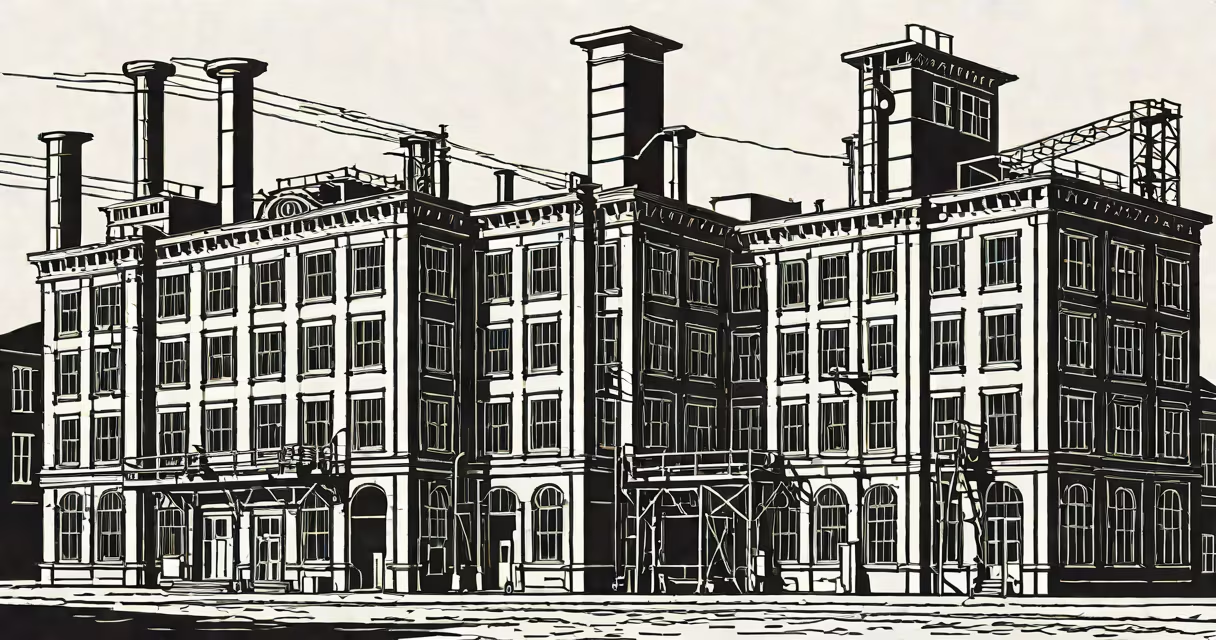
F Greed and Sons is a fictional company originating in 19th-century America, frequently referenced in literature and media to represent unethical business practices. The name serves as an allegory for greed-driven industrialization.
The company appears in works like Upton Sinclair's The Jungle (1906) and later adaptations, symbolizing exploitative labor conditions. While not real, it reflects historical concerns about unchecked capitalism.
F Greed and Sons embodies several tropes:
These traits mirror real scandals of the Gilded Age, such as the Triangle Shirtwaist Fire (1911), which killed 146 garment workers due to poor safety standards.
Many assume F Greed and Sons is based on a specific company like Carnegie Steel or Standard Oil. However, Sinclair and other authors created it as a composite of multiple abuses, not a direct copy of any single entity.
The name persists in modern discussions of corporate ethics. For example, critics compare contemporary tech giants to "F Greed and Sons" when discussing worker exploitation or data privacy violations.
While fictional, F Greed and Sons remains a useful metaphor for the dangers of unregulated power. Its enduring relevance highlights ongoing debates about fairness in business.