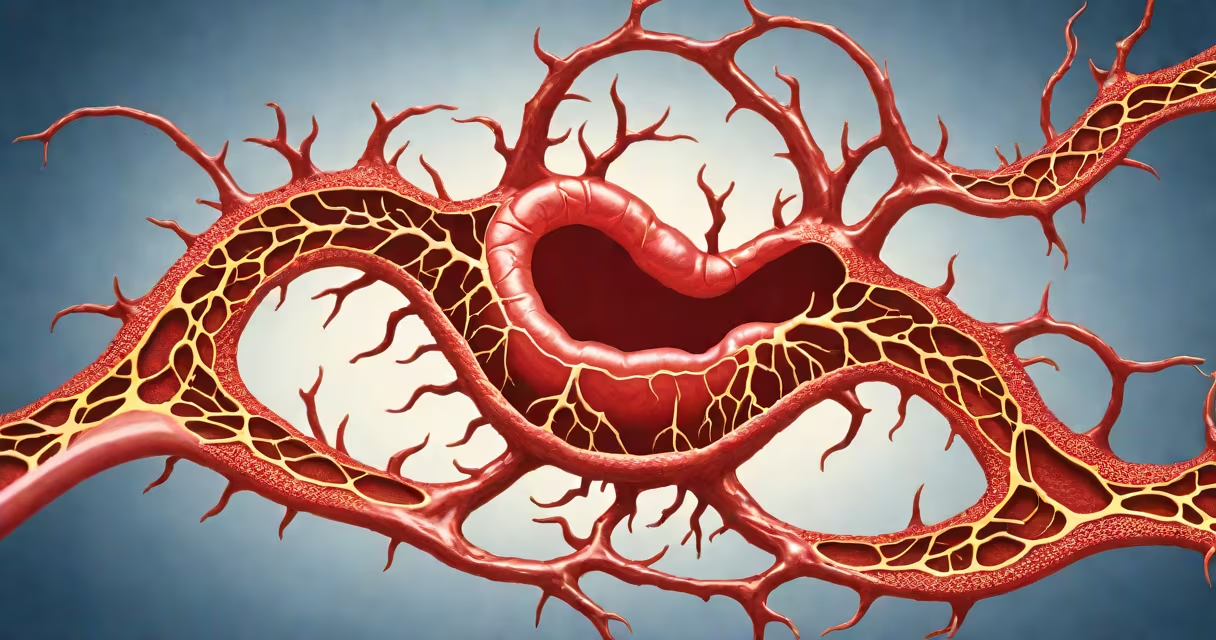
Coronary artery disease develops when major blood vessels supplying the heart harden and narrow due to plaque buildup. This progressive condition often results from a combination of modifiable and non-modifiable risk factors.
Atherosclerosis, the medical term for plaque buildup, typically begins with damage to the inner layers of the coronary arteries. This damage can occur due to various factors like high blood pressure, smoking, or elevated cholesterol levels. Over time, fatty deposits accumulate at the injury sites, forming plaques that harden and restrict blood flow.
| Modifiable Factors | Non-Modifiable Factors |
|---|---|
| High blood pressure | Age (men 45+, women 55+) |
| High cholesterol | Family history |
| Smoking | Male gender |
| Diabetes | |
| Obesity | |
| Physical inactivity | |
| Unhealthy diet |
Many people assume coronary artery disease only affects older adults or those with obvious symptoms. However, plaque buildup can begin in a person's 20s or 30s, and many individuals experience no symptoms until a heart attack occurs. The American Heart Association estimates that about 20.1 million adults aged 20 and older have coronary artery disease.
Consider John, a 50-year-old male with a family history of heart disease. He smokes a pack a day, has uncontrolled high blood pressure, and maintains a sedentary lifestyle. These combined factors increase his risk of developing coronary artery disease compared to a non-smoking peer with normal blood pressure who exercises regularly.
While some risk factors cannot be changed, adopting a heart-healthy lifestyle can reduce the likelihood of coronary artery disease. The Mayo Clinic recommends regular exercise, a balanced diet low in saturated fats, maintaining a healthy weight, avoiding tobacco, and managing stress. Regular check-ups can monitor blood pressure, cholesterol levels, and diabetes.
Understanding the factors leading to coronary artery disease empowers individuals to make informed choices about their health. By addressing modifiable risk factors and being aware of personal risk profiles, many cases of coronary artery disease can be prevented or delayed.