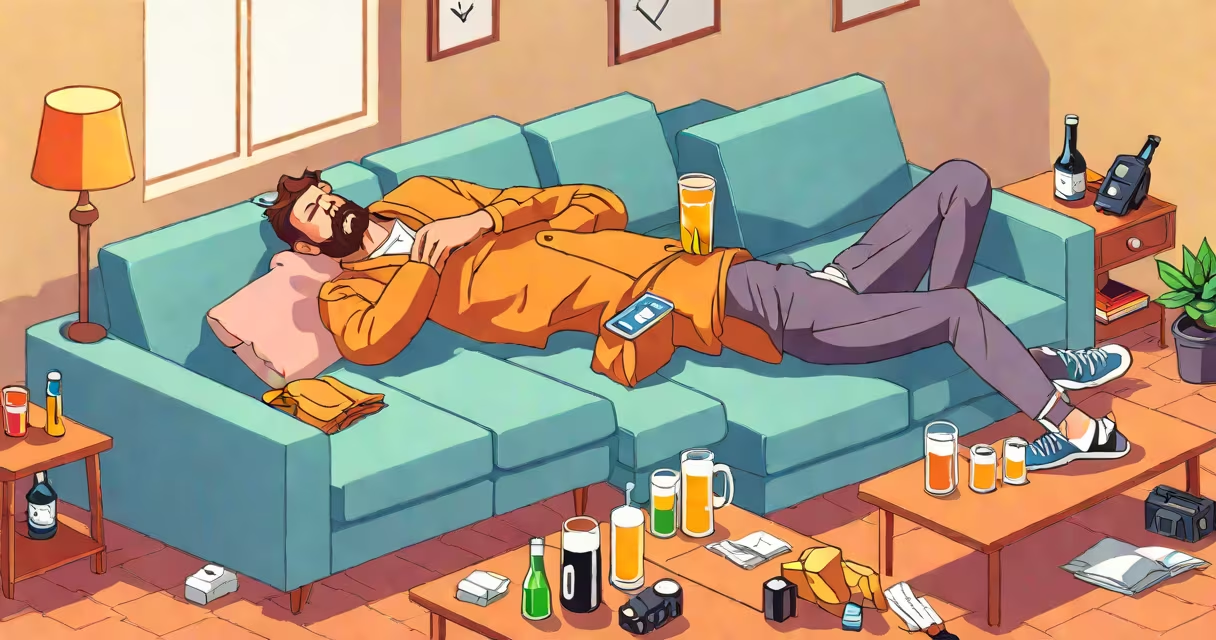
Extreme tiredness after drinking alcohol is a common reaction caused by the body's effort to metabolize ethanol and recover from dehydration. This fatigue often sets in within hours of consumption and can last for days.
Alcohol is a depressant, slowing brain activity and impairing cognitive function. The liver metabolizes about 90% of alcohol, converting it into acetaldehyde-a toxic byproduct that contributes to fatigue. The remaining 10% is excreted through sweat, breath, and urine.
Dehydration worsens tiredness. Alcohol suppresses antidiuretic hormone production, forcing the kidneys to excrete more water. This leads to electrolyte imbalances, further draining energy levels.
| Type | Timing | Duration | Causes |
|---|---|---|---|
| Immediate fatigue | Within 1-2 hours | Hours | Depressant effects, sleep disruption |
| Delayed fatigue | Next morning | Days | Dehydration, metabolic stress, poor sleep quality |
| Chronic fatigue | After repeated use | Weeks or longer | Nutrient deficiencies, liver strain, sleep disorders |
Many people assume alcohol helps them sleep better. While alcohol may induce sleep quickly, it disrupts REM cycles, leading to poorer sleep quality. This explains why some wake up feeling even more exhausted.
Another myth is that drinking water before bed cancels out alcohol's dehydrating effects. While hydration helps, it doesn't fully offset alcohol's impact on sleep architecture or metabolic stress.
To mitigate fatigue, stay hydrated by drinking water before, during, and after drinking. Eating a balanced meal rich in electrolytes (like bananas or avocados) can also help. Avoid caffeine, as it worsens dehydration.
Extreme tiredness after drinking is usually temporary, but understanding its causes helps manage it effectively. If symptoms persist, professional evaluation is recommended.