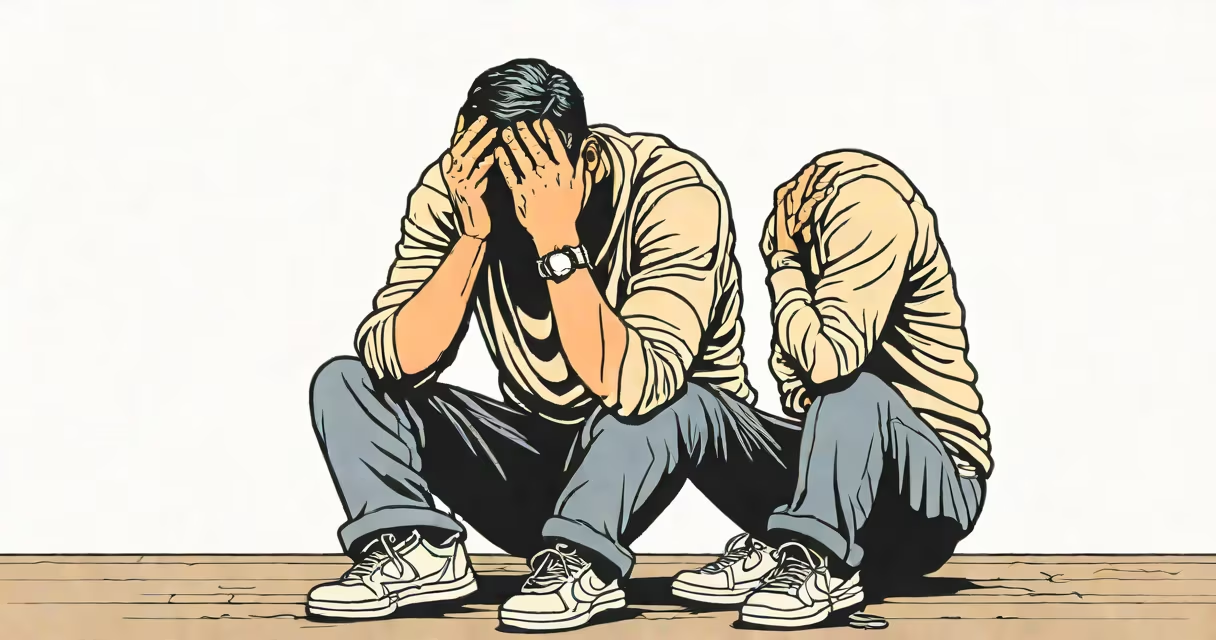
Depression is a common but serious mood disorder marked by persistent sadness, loss of interest, and a range of physical and cognitive symptoms. The World Health Organization estimates that 5% of adults suffer from depression globally.
Depression affects the brain's neurotransmitter systems, particularly serotonin, dopamine, and norepinephrine. These chemicals regulate mood, and their imbalance can lead to depressive symptoms. Chronic stress, genetic factors, and medical conditions may contribute to these imbalances.
Depression isn't a one-size-fits-all condition. The most common types include:
| Type | Duration | Key Symptoms |
|---|---|---|
| Major Depressive Disorder | 2+ weeks | Severe sadness, fatigue, sleep disturbances |
| Persistent Depressive Disorder | 2+ years | Chronic low mood, hopelessness, low self-esteem |
| Bipolar Disorder | Episodic | Depression alternating with mania/hypomania |
Depression is more than just feeling sad. It's a leading cause of disability worldwide, affecting work, relationships, and physical health. Untreated depression can lead to substance abuse, heart disease, and even suicide. According to the American Psychiatric Association, depression affects approximately 21 million adults in the U.S. alone.
Many people confuse depression with temporary sadness or laziness. Unlike normal sadness, depression persists and doesn't lift with positive thinking alone. It's also not a sign of weakness or a character flaw. Depression is a medical condition requiring professional treatment, much like diabetes or heart disease.
I once knew someone who dismissed their depression as "just a phase." After months of struggling, they sought help and realized it was a treatable condition. This highlights the importance of recognizing depression's signs and seeking appropriate care.
Depression is highly treatable. Common treatments include psychotherapy (such as cognitive-behavioral therapy), medication (like SSRIs), and lifestyle changes (exercise, diet, and sleep hygiene). Electroconvulsive therapy (ECT) may be used in severe cases.
For instance, a study published in JAMA Psychiatry found that exercise can be as effective as antidepressants for some individuals with mild to moderate depression. Combining treatments often yields the best results.