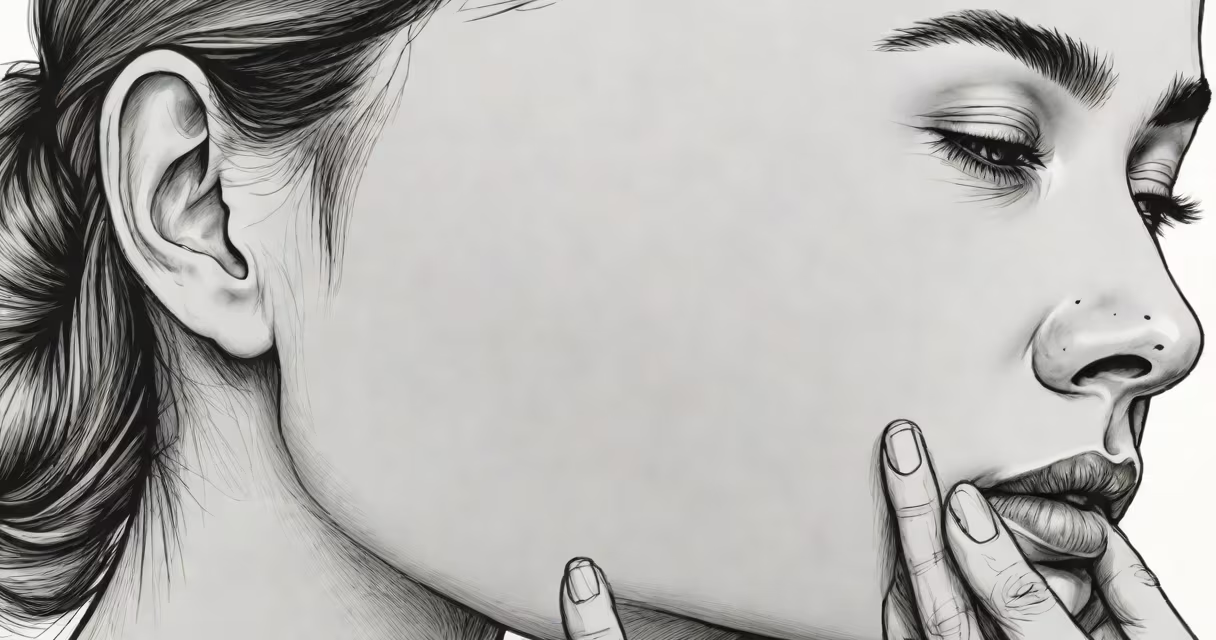
Facial tingling and eye twitching describe sensations of pins-and-needles or involuntary muscle contractions in those areas. These symptoms usually result from minor nerve irritation or muscle fatigue but can sometimes indicate underlying conditions.
Nerves transmit signals between your brain and muscles. When these signals misfire, they can cause tingling (paresthesia) or twitching (fasciculations). Facial tingling often stems from compressed or irritated nerves, while eye twitching typically results from overworked muscles around the eye.
Facial tingling and eye twitching aren't classified into distinct types, but their causes vary:
| Symptom | Common Causes |
|---|---|
| Facial tingling | Nerve compression, poor circulation, vitamin deficiencies, or anxiety |
| Eye twitching | Stress, fatigue, caffeine, alcohol, or dry eyes |
Facial tingling often occurs in the cheeks, lips, or chin due to nerve irritation from sleeping positions, dental work, or TMJ disorder. Eye twitching usually affects the eyelid muscles, often from prolonged screen use or lack of sleep.
People often confuse facial tingling with stroke symptoms. While sudden numbness or weakness on one side of the face can indicate a stroke, tingling alone rarely does. Eye twitching is often mistaken for dry eye disease, but the two have different causes and treatments.
Sarah noticed her right cheek tingling after a dental appointment. The dentist had pressed on her jaw during the procedure, irritating the trigeminal nerve. She applied warm compresses and took ibuprofen, and the sensation faded within hours. Her eye twitched occasionally that week, likely from stress and lack of sleep.
When her symptoms persisted for days, she visited her doctor, who ruled out serious conditions. Sarah adjusted her sleep position and reduced caffeine intake, resolving both issues within a week.
Facial tingling and eye twitching usually resolve on their own, but persistent or worsening symptoms warrant medical evaluation. If you experience daily eye twitching or tingling lasting more than a few weeks, consult a healthcare provider.