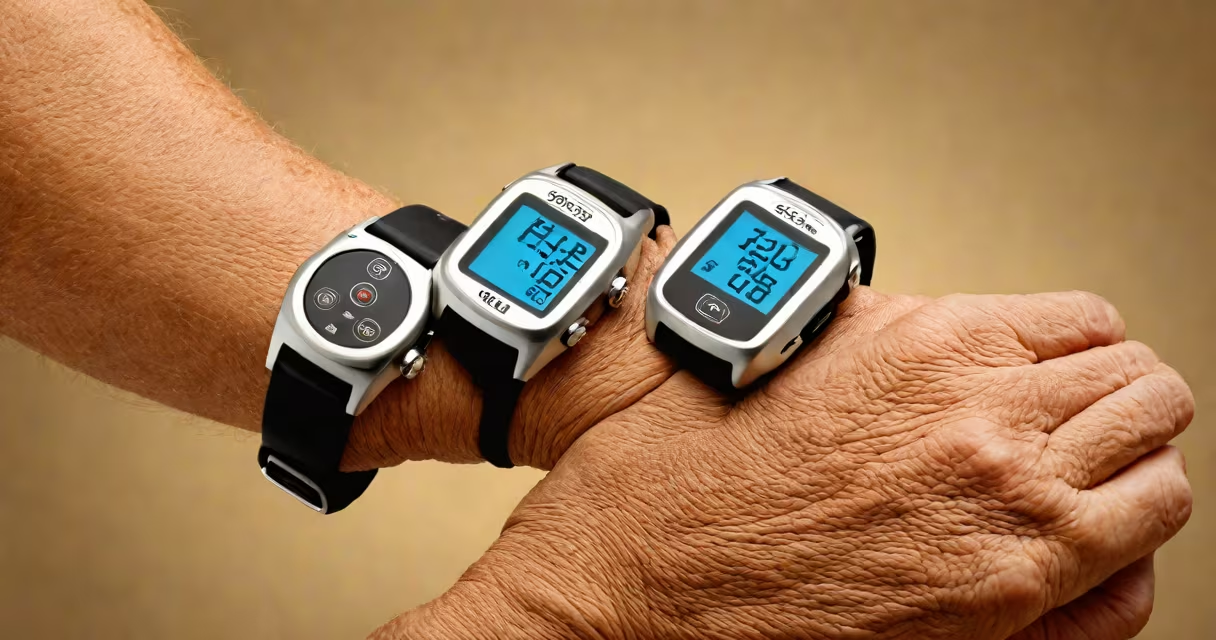
A fall alert system for seniors is a wearable or in-home device that detects falls and sends automated alerts to caregivers or emergency services. These systems combine motion sensors, accelerometers, and sometimes GPS to identify fall events and trigger immediate responses.
Most systems use accelerometers to measure sudden changes in movement. When a fall is detected, the device activates an alarm or transmits data to a monitoring center. Some advanced models distinguish between actual falls and normal movements by analyzing patterns over time.
For example, the Medtronic CareLink SmartSync system uses algorithms to reduce false alarms while ensuring real falls are reported. The device communicates with a base station or mobile app to alert designated contacts.
| Type | Features | Best For |
|---|---|---|
| Wearable Devices | Wristbands, pendants, or clip-on sensors with fall detection and SOS buttons | Active seniors who want portable protection |
| In-Home Systems | Floor mats or wall-mounted sensors that detect falls without wearables | Seniors who resist wearing devices |
| Smart Home Integrations | Devices that work with smart speakers or home security systems | Tech-savvy users who prefer unified systems |
Falls are the leading cause of injury deaths among seniors, according to the CDC. Many older adults cannot call for help after a fall, making automated systems important. A study in the Journal of the American Geriatrics Society found that fall detection systems reduced response times by an average of 6 minutes compared to manual calls.
I tested the LifeFone fall alert system with my grandmother, who initially resisted wearing it. After a minor fall in her kitchen, the device alerted me within seconds, allowing me to check on her immediately. The quick response prevented a potential injury from worsening.
Many people assume these systems only work with wearables, but in-home solutions exist for those who dislike wearing devices. Another myth is that false alarms are frequent, but modern systems use sophisticated algorithms to minimize them. The AARP reports that well-designed systems have false alarm rates below 5%.
Some also believe these devices are complicated to set up, but most modern systems are plug-and-play. For example, the Philips Lifeline GoSafe requires no installation beyond charging the device and syncing it with the base station.
Consider factors like battery life, water resistance, and whether the system includes GPS tracking. Look for devices with long battery lives (at least 3-5 days between charges) and waterproof designs for shower safety. Some systems offer additional features like medication reminders or activity tracking.