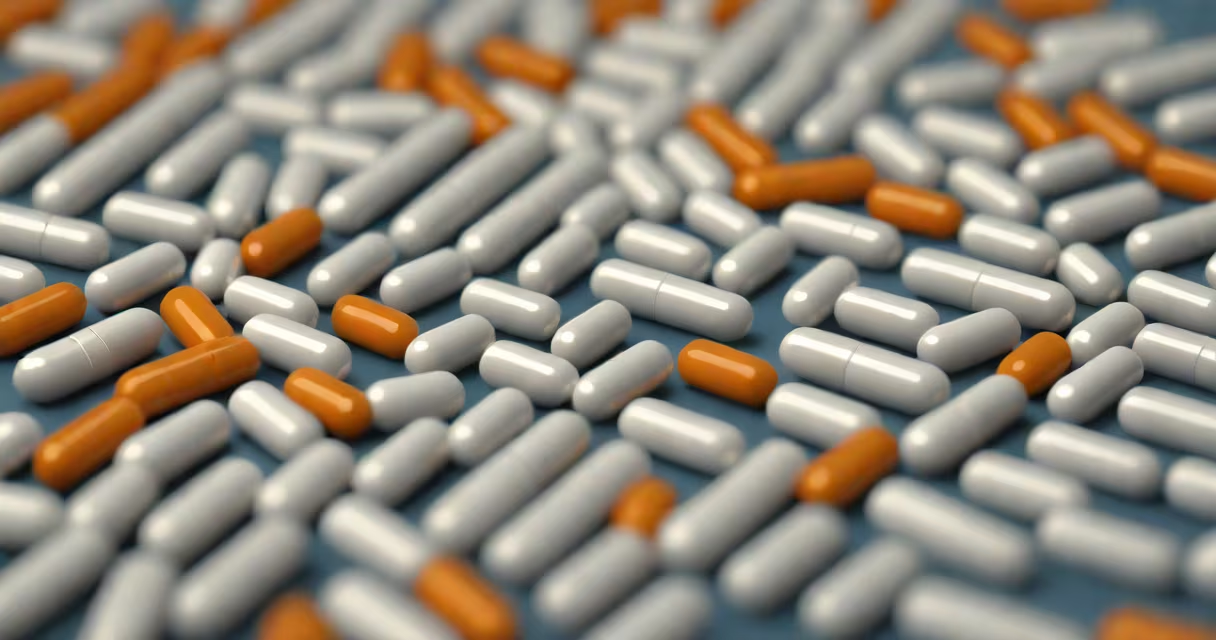
The FDA defines a dietary supplement as a product containing dietary ingredients like vitamins, minerals, herbs, or amino acids that are intended to supplement the diet. These products come in forms such as tablets, capsules, powders, or liquids, and are marketed to support health or specific bodily functions.
Dietary supplements are regulated by the FDA under the Dietary Supplement Health and Education Act (DSHEA), which distinguishes them from conventional foods and drugs. The FDA is responsible for ensuring that dietary supplements are safe, properly labeled, and contain the ingredients listed on the label. However, unlike drugs, dietary supplements do not require FDA approval before they are marketed.
Dietary supplements work by providing additional nutrients or other beneficial substances that may not be consumed in sufficient quantities through regular food intake. For example, a vitamin D supplement can help individuals who have limited sun exposure maintain adequate vitamin D levels, which are essential for bone health and immune function.
Manufacturers must ensure that their products are safe and that their labeling is truthful and not misleading. The FDA has established good manufacturing practices (GMPs) for dietary supplements to help ensure their identity, purity, strength, and composition. These GMPs cover aspects such as facility conditions, production processes, and quality control procedures.
Dietary supplements can be categorized based on their primary ingredients:
| Type | Examples |
|---|---|
| Vitamins and Minerals | Multivitamins, calcium, iron, vitamin C |
| Herbs or Botanicals | Echinacea, ginseng, garlic, saw palmetto |
| Amino Acids | L-glutamine, L-arginine, BCAAs (branched-chain amino acids) |
| Enzymes | Digestive enzymes, lactase |
| Probiotics | Lactobacillus acidophilus, Bifidobacterium |
One common misconception is that dietary supplements are regulated in the same way as prescription drugs. However, unlike drugs, dietary supplements do not require FDA approval before they are marketed. This means that the responsibility for ensuring the safety and efficacy of dietary supplements lies primarily with the manufacturers.
Another misconception is that dietary supplements are always safe because they are natural. While many supplements contain natural ingredients, this does not guarantee their safety. Some natural ingredients can interact with medications or have side effects, especially when consumed in large amounts.
The FDA has the authority to take action against adulterated or misbranded dietary supplements. For example, the FDA can issue warning letters to manufacturers who make false or unproven claims about their products. In severe cases, the FDA can recall products from the market or even seize them.
Manufacturers must comply with FDA regulations, including proper labeling and good manufacturing practices. They must also report serious adverse events associated with their products to the FDA. This helps the FDA monitor the safety of dietary supplements and take appropriate actions when necessary.
In my experience working with dietary supplement manufacturers, I've seen firsthand how important it is to stay updated with FDA regulations. One manufacturer I consulted had to reformulate a product after receiving a warning letter for making unsubstantiated health claims. By working closely with the FDA and adhering to the guidelines, they were able to bring a compliant product to market.
The FDA defines dietary supplements as products intended to supplement the diet and support health. These products are regulated under DSHEA, with manufacturers bearing the primary responsibility for ensuring their safety and efficacy. Understanding the FDA's definition and regulations is important for both manufacturers and consumers to go through the dietary supplement field safely and effectively.