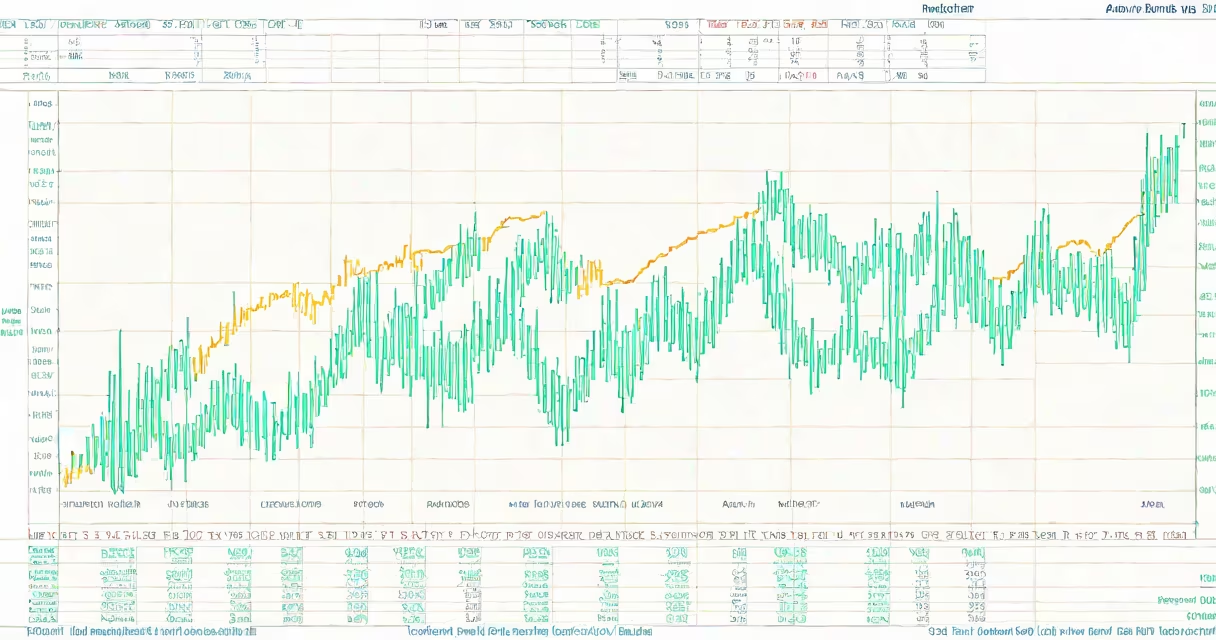
The Fidelity Russell 2000 is an exchange-traded fund (ETF) that tracks the performance of the Russell 2000 Index, which measures the performance of approximately 2,000 small-cap U.S. stocks. This ETF provides investors with exposure to the small-cap segment of the U.S. equity market.
The Fidelity Russell 2000 ETF aims to replicate the performance of the Russell 2000 Index by holding a portfolio of stocks that closely mirrors the index. The fund uses a sampling strategy to achieve this, meaning it may not hold every stock in the index but will hold a representative sample. The ETF aims to provide broad exposure to the small-cap market, which includes companies that are typically more volatile but have higher growth potential compared to large-cap stocks.
The Russell 2000 Index is a subset of the broader Russell 3000 Index, which includes the largest 3,000 U.S. stocks. The Russell 2000 specifically focuses on the smallest 2,000 of these stocks, representing the small-cap segment. These companies generally have market capitalizations between $300 million and $2 billion. The index is reconstituted annually to ensure it remains representative of the small-cap market.
Investors use the Fidelity Russell 2000 ETF to gain targeted exposure to small-cap stocks without having to individually select and manage a portfolio of these stocks. Small-cap stocks are often seen as having higher growth potential but come with higher risk due to their smaller size and limited resources. By investing in an ETF that tracks the Russell 2000 Index, investors can diversify their portfolios and potentially benefit from the growth of small-cap companies.
The Fidelity Russell 2000 ETF is listed on major stock exchanges and can be bought and sold like any other stock. It is managed by Fidelity Investments, one of the largest asset management firms in the world, known for its wide range of investment products and services.
One common misconception is that the Russell 2000 Index represents the entire small-cap market. In reality, it is just one of several small-cap indices, including the S&P SmallCap 600. Another misconception is that small-cap stocks are always riskier than large-cap stocks. While they do come with higher volatility, they also offer the potential for higher returns, making them an attractive option for investors seeking growth.
Some investors believe that the Russell 2000 Index is reconstituted more frequently than it actually is. The index is reconstituted annually, not quarterly or monthly, to ensure stability and continuity in its composition.
For example, if an investor wants to add small-cap exposure to their portfolio, they might consider the Fidelity Russell 2000 ETF. By purchasing shares of this ETF, the investor gains exposure to a diversified portfolio of 2,000 small-cap stocks, reducing the risk associated with investing in individual small-cap companies. The ETF's performance will closely track the Russell 2000 Index, providing a convenient way to invest in this market segment.
According to Fidelity Investments, the Fidelity Russell 2000 ETF has an expense ratio of 0.20%, which is relatively low compared to other small-cap ETFs. This makes it a cost-effective option for investors looking to gain exposure to the small-cap market.