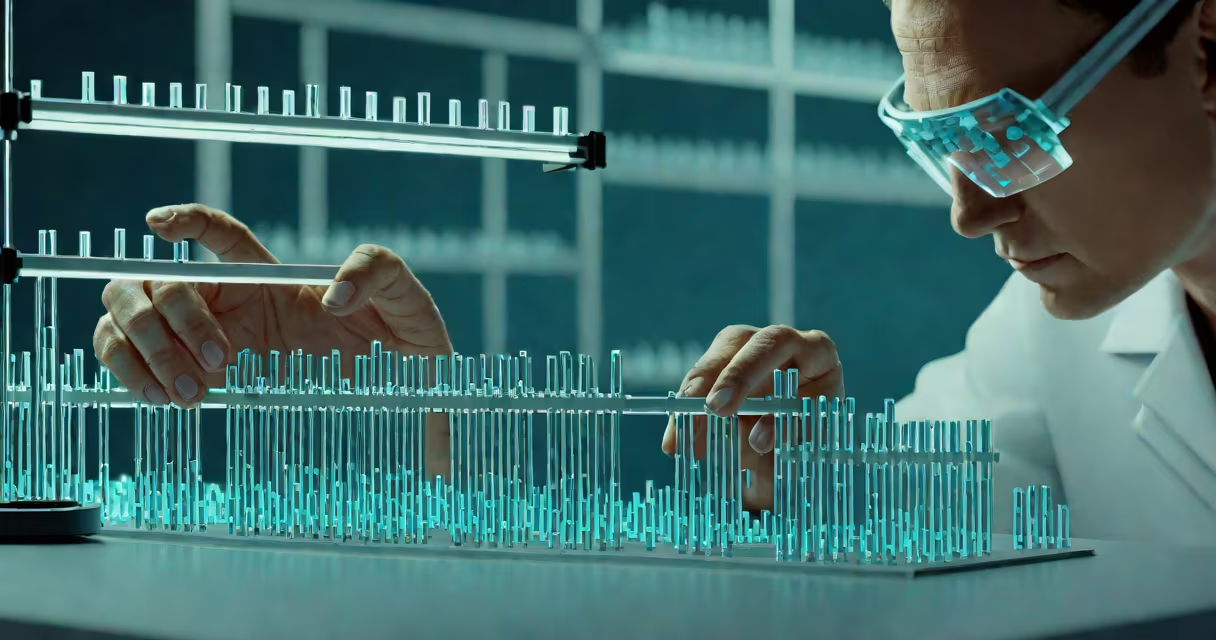
Forensic biology is the application of biological principles to legal investigations, focusing on analyzing biological evidence like DNA, blood, and hair to establish facts in legal cases.
Forensic biologists collect and examine biological materials from crime scenes. They use techniques like polymerase chain reaction (PCR) to amplify DNA for analysis. This process involves comparing DNA profiles samples to identify suspects or exonerate individuals.
For example, in a 2003 case, forensic biology helped exonerate Amanda Knox by matching DNA found on a knife to the actual murderer, demonstrating the field's power to correct miscarriages of justice.
| Type | Description | Analysis Method |
|---|---|---|
| DNA | Genetic material from cells | STR profiling, mitochondrial DNA sequencing |
| Blood | Human or animal blood | Precipitin test, blood grouping |
| Hair | Human or animal hair | Microscopic examination, DNA analysis |
| Saliva | Secretions from salivary glands | Amylase test, DNA analysis |
Another myth is that DNA evidence is infallible. Contamination risks and interpretation errors can lead to false positives or negatives, requiring rigorous protocols to ensure accuracy.
It also differs from forensic chemistry, which analyzes non-biological substances like drugs or accelerants. Forensic biology specifically deals with organic materials derived from living organisms.
In 2001, forensic biology played a important role in identifying the remains of victims from the 9/11 attacks. Scientists used DNA analysis to match fragments to missing persons, providing closure to families. This highlights the field's importance in both criminal and humanitarian contexts.
I once observed a forensic biology lab where technicians processed evidence from a burglary case. They extracted DNA from a dropped cigarette butt, linking it to a suspect in the system. The precision and meticulousness required were striking.