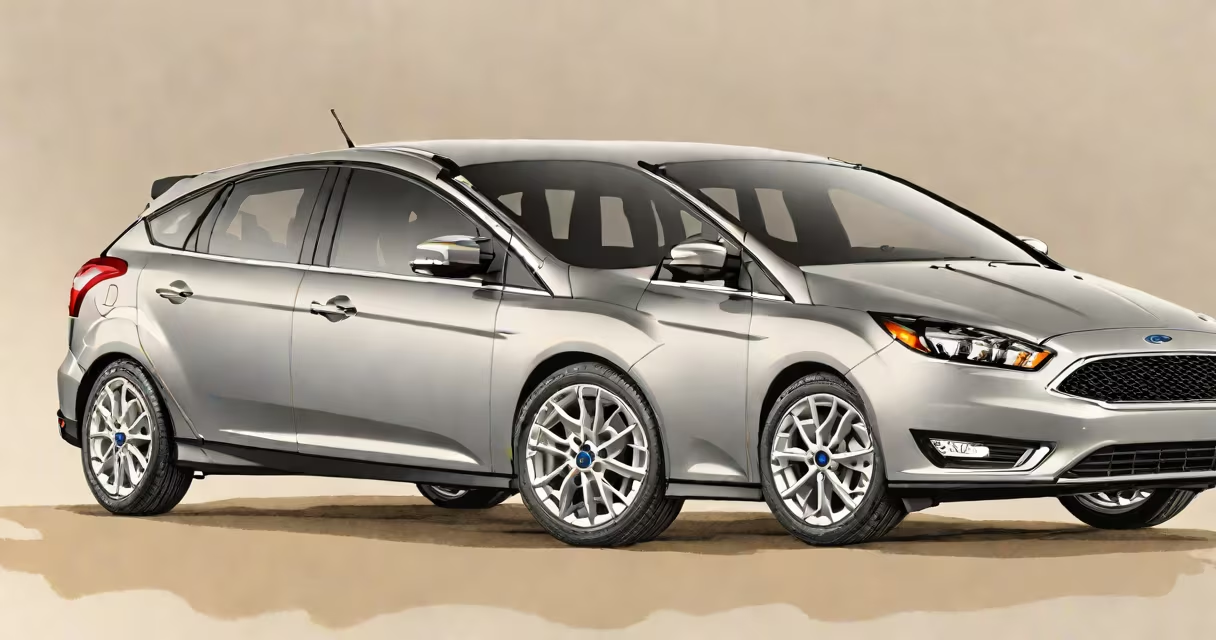
A Ford Focus KBB value is an estimate of a Ford Focus's worth based on Kelley Blue Book's proprietary pricing algorithm. This system combines real-time market data, vehicle history, and regional demand to calculate fair prices for used cars.
Kelley Blue Book (KBB) uses a changing pricing model that updates daily. For a Ford Focus, this includes:
For example, a well-maintained 2016 Ford Focus SE with low mileage in California might show a higher KBB value than the same model in a rural Midwest state due to regional demand differences.
KBB provides several types of valuations for Ford Focus models:
| Value Type | Description | Typical Use Case |
|---|---|---|
| Private Party Value | Estimated price if selling directly to another consumer | Peer-to-peer sales on platforms like Facebook Marketplace |
| Trade-In Value | Estimated price if trading the vehicle in at a dealership | Dealer transactions and vehicle exchanges |
| Estimated price for a Ford Focus with a manufacturer-backed warranty | Dealer sales of certified pre-owned vehicles | |
| Suggested Retail Value | Estimated price if selling through a dealer or private party | General market valuation |
Note that trade-in values typically fall below private party values because dealers account for reconditioning costs and resale risks.
KBB values help both buyers and sellers make informed decisions. For sellers, knowing a Ford Focus's KBB value prevents underselling. For buyers, it prevents overpaying. Dealers also use these values to set fair prices for trade-ins and used car inventory.
For instance, if you're selling a 2018 Ford Focus Titanium, checking its KBB value ensures you price it competitively against similar models in your area. Buyers can compare this value to listings on platforms like Autotrader or Cars.com to identify fair offers.
Many people confuse KBB values with final sale prices. While KBB provides a strong starting point, actual transaction prices can vary based on negotiation skills, local competition, and vehicle uniqueness., KBB values don't account for cosmetic issues not disclosed in vehicle history reports.
Another misconception is that KBB values are set in stone. In reality, they update daily based on real-world sales data. A Ford Focus's value can change within weeks, especially for popular models or during seasonal demand shifts.
To maximize the benefits of KBB values, follow these steps:
One often-overlooked aspect of KBB values is how they reflect depreciation. Most Ford Focus models lose significant value in their first few years. For example, a 2016 Ford Focus might depreciate by 20-30% in its first three years. After five years, it could retain only 40-50% of its original value.
This depreciation curve affects how buyers and sellers should approach transactions. Sellers benefit from acting sooner rather than later, while buyers can find better deals on slightly older models. Understanding this pattern helps both parties make smarter financial decisions.
I recently helped a friend sell his 2016 Ford Focus SE hatchback. We started by gathering all maintenance records and taking high-quality photos. Using KBB, we determined its Private Party Value was $12,500 and its Trade-In Value was $11,200. We listed it on Facebook Marketplace at $12,800, slightly above the Private Party Value to allow for negotiation.
After fielding several inquiries, we received two serious offers. The highest offer was $12,300, which we accepted. This final price fell between the Private Party and Trade-In values, reflecting typical negotiation outcomes. The buyer was happy with the fair price, and my friend received slightly more than the Trade-In Value would have provided.
For those considering newer Ford models, research shows that vehicles with strong resale values often share common characteristics like fuel efficiency, reliability ratings, and popular features. The Ford Focus, particularly in its hatchback configuration, has historically maintained decent resale values due to its practicality and widespread appeal.