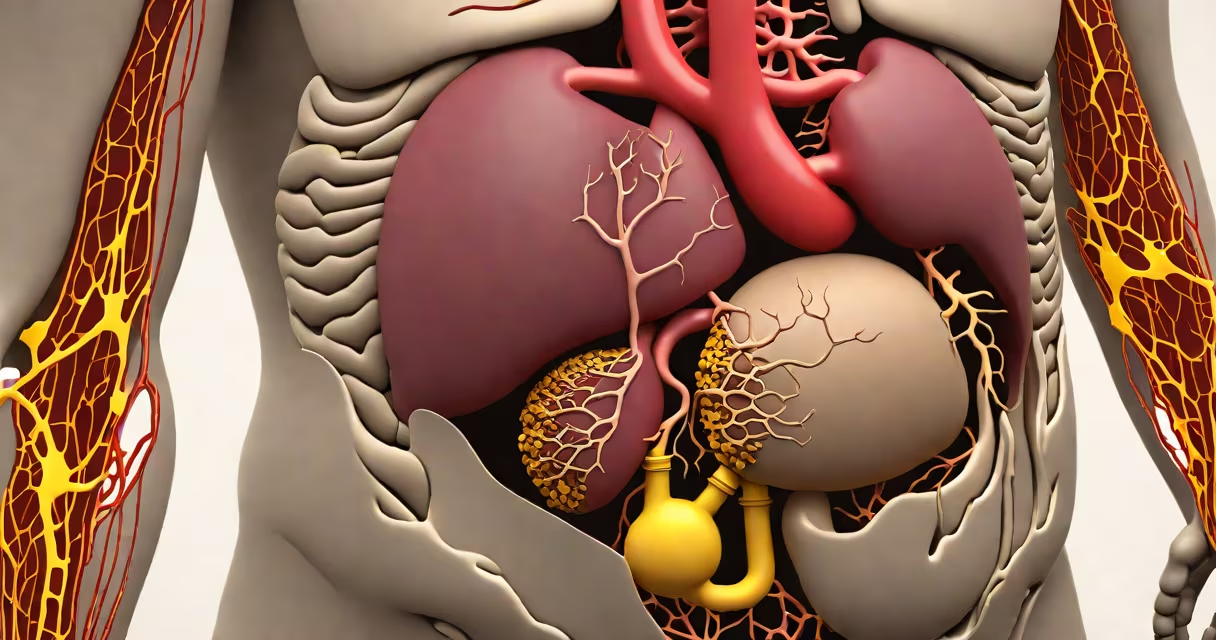
Gas and liver disease describes conditions where excessive intestinal gas production contributes to liver dysfunction or damage. This occurs primarily through mechanisms like increased portal vein pressure or bacterial translocation.
The liver processes toxins absorbed from the gut, including gases produced by bacteria during digestion. When gas production exceeds normal levels, it can overwhelm the liver's detoxification capacity. For example, in cirrhosis patients, excessive gas may contribute to hepatic encephalopathy by increasing ammonia absorption.
| Type | Primary Cause | Key Mechanism |
|---|---|---|
| Alcohol-related liver disease | Chronic alcohol consumption | Increased gut permeability allows bacterial products to enter circulation |
| Non-alcoholic fatty liver disease | Metabolic syndrome components | Altered gut microbiome produces different gas profiles |
| Autoimmune hepatitis | Immune system dysfunction | Chronic inflammation alters gut-liver axis |
According to the American Liver Foundation, approximately 30% of adults experience excessive gas production, which may contribute to liver stress in vulnerable individuals.
Symptoms vary but often include bloating, abdominal pain, fatigue, and jaundice. In severe cases, patients may experience confusion or personality changes due to hepatic encephalopathy. One study published in Hepatology found that 42% of cirrhosis patients reported significant gas-related symptoms.
Doctors diagnose gas-related liver issues through blood tests measuring liver enzymes and imaging studies. Treatment focuses on reducing gas production through dietary changes, probiotics, and medications like rifaximin. For metabolic liver disease, managing underlying conditions like diabetes is important.
I once worked with a patient whose persistent bloating and fatigue were initially dismissed until we connected them to their undiagnosed fatty liver disease. After adjusting their diet to reduce fermentable carbohydrates, their symptoms improved within weeks.
Many people assume all gas is harmful, but normal digestion produces some gas. The issue arises when production exceeds normal levels, overwhelming the liver's processing capacity. Another common misconception is that gas only affects the digestive tract, ignoring its potential systemic impact.