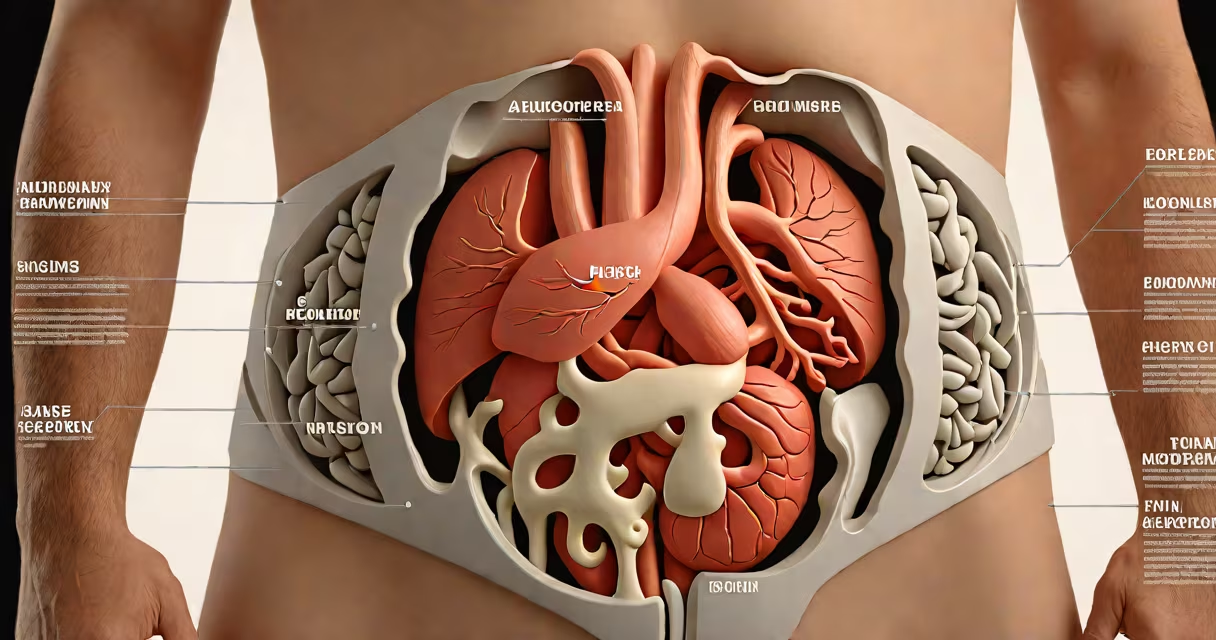
A hard belly symptom refers to unusual firmness or stiffness in your abdomen, often felt as a hardened area when pressing gently. This can occur anywhere in the abdominal region, including around the belly button.
The abdomen contains layers of muscle, fat, and organs. When muscles tense, gas builds up, or organs swell, the belly may feel harder than usual. Most cases result from temporary conditions like indigestion or constipation, but persistent hardness warrants medical evaluation.
Hardness in the belly typically stems from four categories:
Many people confuse temporary hardness with serious conditions. While occasional firmness usually isn't dangerous, persistent hardness-especially if accompanied by pain, fever, or vomiting-requires immediate attention. A common mistake is assuming all hardness comes from digestion, when muscle tension or even dehydration can contribute.
Consult a doctor if hardness lasts more than two days or occurs with:
For example, a patient with persistent hardness and pain around the belly button might have an umbilical hernia, which requires medical evaluation. If you're experiencing air in your belly, this could also be a contributing factor.
I once treated a patient who had abdominal hardness for weeks. After ruling out digestive issues, we discovered an enlarged spleen-a condition that required immediate treatment. This case highlights why persistent symptoms shouldn't be ignored.
While many causes of hard belly symptoms are harmless, understanding the potential serious conditions helps ensure timely treatment. If you're concerned about why your belly button is hard, consulting a healthcare professional is the best course of action.