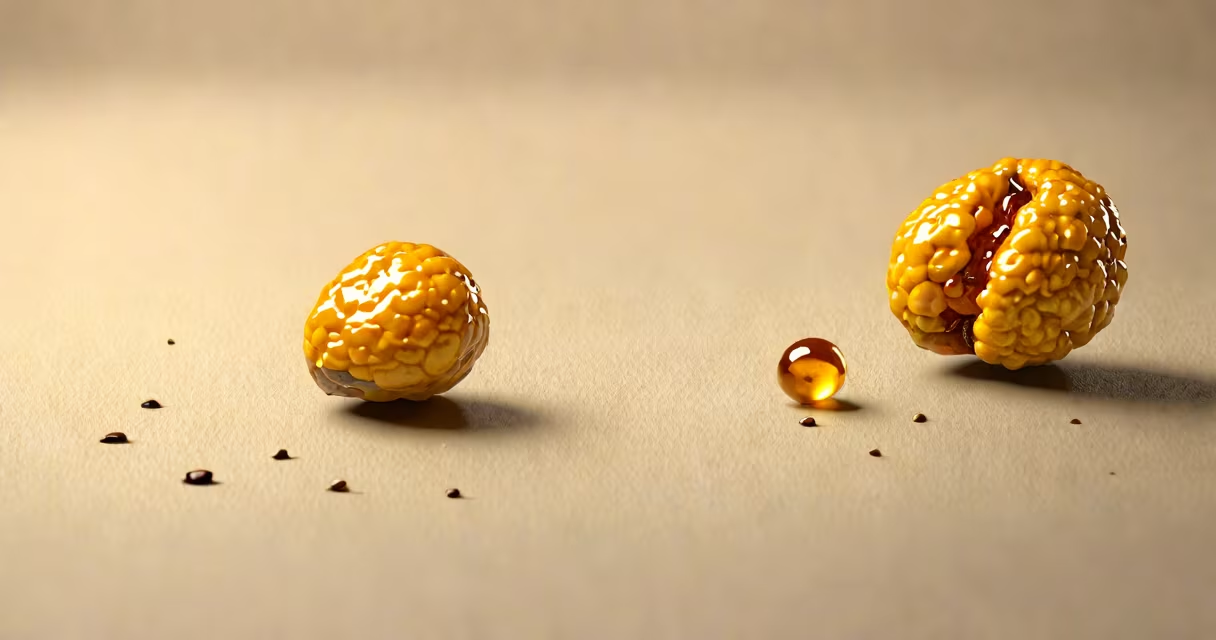
A 2 cm gallstone is a stone measuring approximately 0.79 inches in diameter, roughly the size of a large grape. This is considered a large gallstone, which may require medical intervention.
Gallstones vary in size from tiny grains of sand to stones larger than a golf ball. They form in the gallbladder, a small organ that stores bile produced by the liver. Bile helps digest fats, and gallstones develop when substances in bile harden.
The size of gallstones can influence symptoms and treatment options. Smaller stones, often called "gravel," may pass through the bile ducts without causing symptoms. Larger stones, like a 2 cm gallstone, are more likely to cause blockages and require medical attention.
Gallstones are primarily categorized into two types:
| Type | Composition | Common Size Range |
|---|---|---|
| Cholesterol stones | Mostly cholesterol | Varies, often larger |
| Pigment stones | Made of bilirubin | Smaller, often multiple |
A 2 cm gallstone is typically a cholesterol stone, which tends to be larger and more likely to cause symptoms.
A 2 cm gallstone can cause severe pain, known as biliary colic, when it blocks a bile duct. Symptoms include sudden, intense pain in the upper right abdomen, nausea, vomiting, and sometimes jaundice (yellowing of the skin and eyes).
If left untreated, a large gallstone can lead to complications such as cholecystitis (inflammation of the gallbladder), pancreatitis, or cholangitis (infection of the bile ducts). These conditions require immediate medical attention.
For a 2 cm gallstone, the most common treatment is surgical removal of the gallbladder, known as cholecystectomy. This procedure is safe and effective, often performed laparoscopically with minimal recovery time.
In some cases, nonsurgical treatments like lithotripsy (shock wave therapy) or dissolution therapy may be considered, but these are less effective for larger stones. Your doctor will recommend the best course of action based on your specific situation.
If you experience severe abdominal pain, especially after eating fatty foods, seek medical advice immediately. Diagnostic tests such as ultrasound, CT scan, or MRI can confirm the presence and size of gallstones.
Early diagnosis and treatment can prevent serious complications and improve outcomes. If you suspect you have a large gallstone, consult a healthcare professional for evaluation and appropriate treatment options.