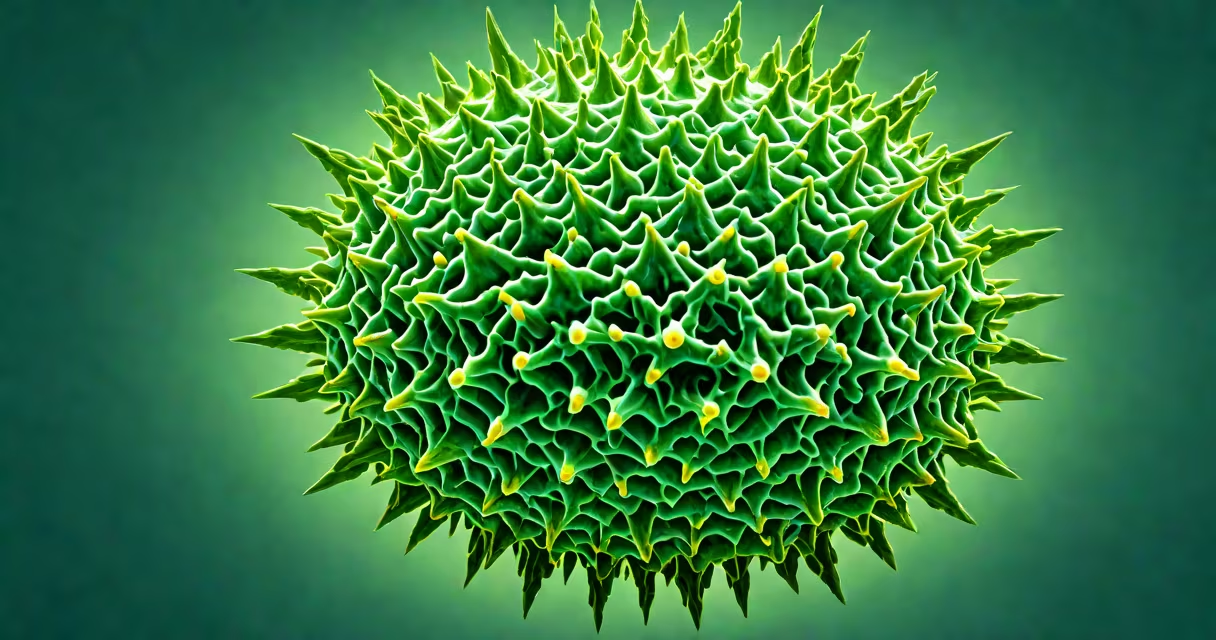
A virus is a small infectious agent that replicates inside living cells. Viruses can infect humans, animals, plants, and even computers through specific transmission methods.
Biological viruses are microscopic pathogens that invade living cells to replicate. They can infect humans through various routes:
Once inside the body, viruses hijack cellular machinery to produce more viruses, often causing illness. Vaccines and antiviral drugs can help prevent or treat viral infections.
Computer viruses are malicious software programs that replicate and spread to other programs or files. They can infect computers through:
Antivirus software can detect and remove computer viruses, protecting systems from damage.
To prevent biological virus infections, practice good hygiene, get vaccinated, and avoid close contact with infected individuals. For computer viruses, use reputable antivirus software, keep your operating system updated, and be cautious when downloading files or clicking on links.
Understanding how viruses spread is important for protecting both personal health and digital security.