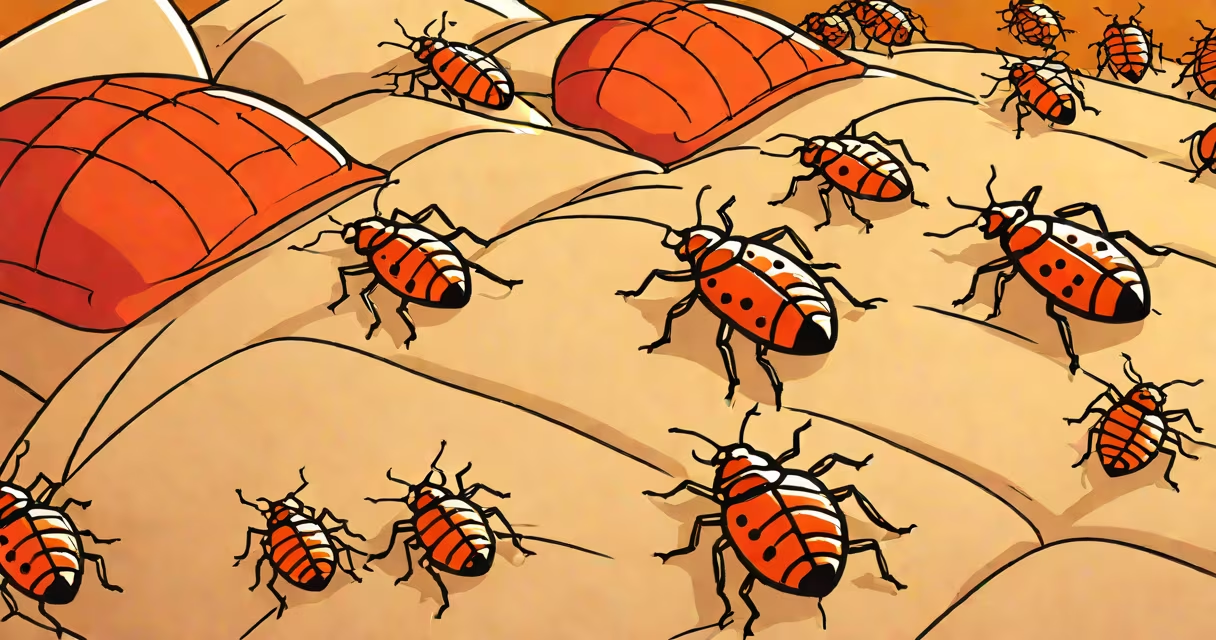
Bed bugs are small, reddish-brown insects that feed on human blood. To avoid bed bug bites, use mattress encasements, reduce clutter, and inspect secondhand furniture before bringing it home.
Bed bugs use their elongated beaks to pierce skin and draw blood. They inject saliva containing anticoagulants to prevent clotting. Bites typically appear in a linear or clustered pattern on exposed skin areas like arms, legs, and shoulders.
Preventing bed bugs requires a multi-step approach:
Bed bugs hide in tight cracks and crevices near sleeping areas. Common hiding spots include:
I once helped a friend treat a bed bug infestation by steam cleaning their mattress and applying insecticide to baseboards. The key was thoroughness - we checked every potential hiding spot.
Many people confuse bed bug bites with other insect bites or skin conditions. Unlike flea bites (which often cluster around ankles) or mosquito bites (usually random), bed bug bites form in lines or zigzag patterns. They're also less likely to cause immediate swelling compared to bee stings.
If you suspect a bed bug infestation, contact a pest control professional immediately. DIY treatments often fail because bed bugs develop resistance to common insecticides. Professionals use integrated pest management techniques combining multiple control methods.