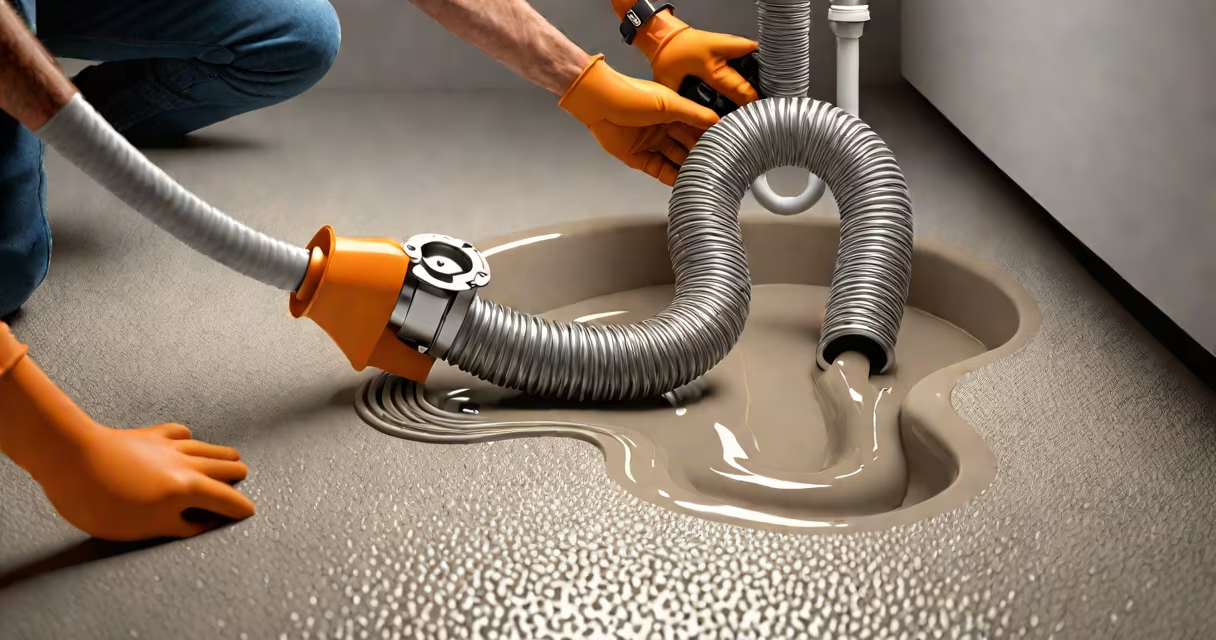
A clogged drainage pipe occurs when debris, grease, or foreign objects accumulate inside, restricting water flow. Common causes include hair, soap scum, food particles, and mineral buildup.
Most methods rely on mechanical force or chemical reactions to dislodge or dissolve blockages. Mechanical tools like drain snakes physically break up clogs, while chemical cleaners use enzymes or caustic agents to eat through organic matter.
| Method | Effectiveness | Best For |
|---|---|---|
| Plunger | Moderate | Minor clogs in sinks and tubs |
| Drain Snake | High | Stubborn clogs in pipes |
| Baking Soda & Vinegar | Low to Moderate | Preventative maintenance |
| Enzyme Cleaners | Moderate | Organic buildup |
| Professional Hydro Jetting | Very High | Severe or recurring clogs |
Clean drains when water drains slowly or not at all. Regular maintenance prevents costly plumbing repairs and avoids health hazards from stagnant water. The Environmental Protection Agency notes that clogged drains can contribute to mold growth if left untreated.
Many people use harsh chemicals like bleach or drain cleaners containing sulfuric acid, which can corrode pipes over time. Instead, opt for safer alternatives like enzyme-based cleaners or manual tools. Another mistake is ignoring slow drains until they become completely blocked, making the problem harder to fix.
Insert the drain snake into the pipe until you hit resistance. Rotate the snake to break up the clog, then push it through. Retrieve the snake and test water flow. This method works well for clogs deep in pipes.
For severe clogs, consider professional services like hydro jetting, which uses high-pressure water to clear blockages completely. Always wear protective gear when handling chemical cleaners.
If DIY methods fail, consult a professional plumber to avoid damaging your plumbing system further. Regular maintenance and proper waste disposal can prevent most clogs.