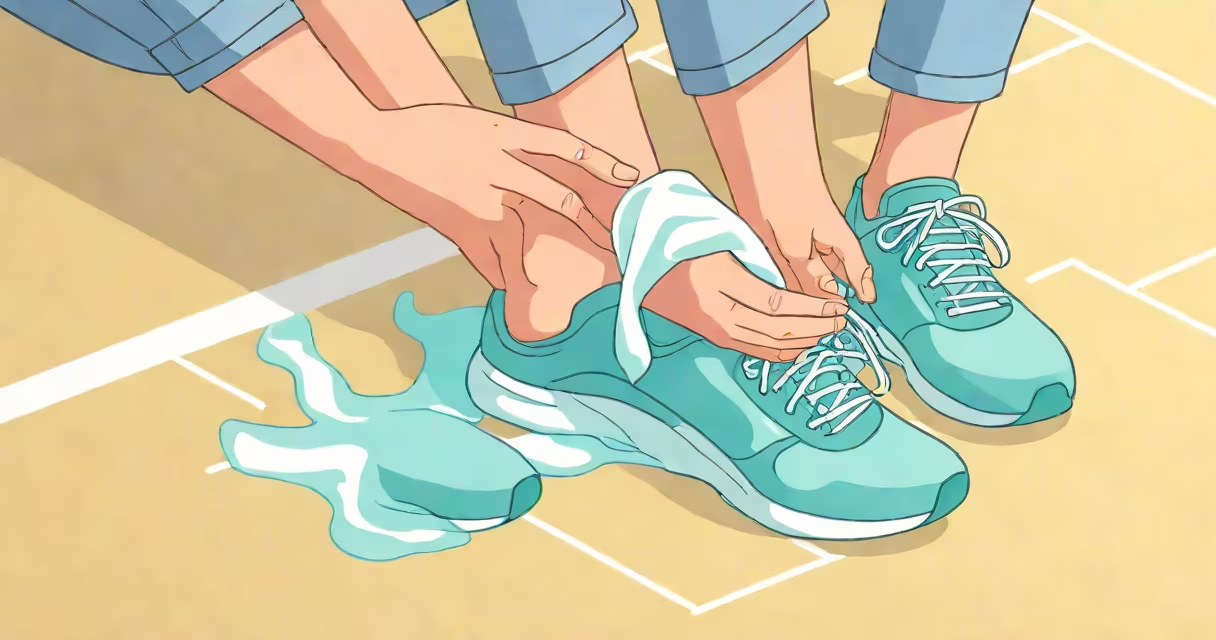
Ankle swelling occurs when fluids build up in the tissues around your ankle joint, often due to injury, overuse, or underlying medical conditions. Treatment focuses on reducing inflammation, improving circulation, and promoting healing.
Common Causes of Ankle Swelling
Ankle swelling can result from various factors, including:
Injuries: Sprains, fractures, or strains often cause immediate swelling.
Overuse: Repetitive stress from activities like running or jumping.
Medical Conditions: Arthritis, gout, or blood clots may lead to chronic swelling.
Infections: Cellulitis or other infections can cause localized swelling.
Immediate Treatments for Acute Swelling
For sudden ankle swelling due to injury, follow the R.I.C.E. method:
Rest: Avoid putting weight on the injured ankle.
Ice: Apply an ice pack wrapped in a cloth for 15-20 minutes every hour.
Compression: Use an elastic bandage to reduce swelling, but avoid wrapping too tightly.
Elevation: Keep the ankle raised above heart level to drain fluids.
I once treated a rolled ankle by elevating it on a stack of pillows while applying ice. The swelling decreased within a few hours.
Long-Term Remedies and Recovery
For persistent swelling, consider these additional steps:
Nonsteroidal Anti-Inflammatory Drugs (NSAIDs): Over-the-counter medications like ibuprofen can reduce pain and inflammation.
Massage: Gently massage the area to improve circulation and drainage.
Hydration: Drink plenty of water to flush out excess fluids.
Supportive Footwear: Wear shoes with good arch support to prevent further strain.
If swelling persists beyond a few days or worsens, consult a healthcare provider to rule out serious conditions like blood clots or infections.
When to See a Doctor
Seek medical attention if you experience any of the following symptoms alongside ankle swelling:
Severe pain or inability to bear weight.
Redness, warmth, or fever, which may indicate infection.
Swelling that doesn't improve with home treatment.
Numbness or tingling, suggesting nerve damage.
Chronic swelling may require medical intervention, such as physical therapy or prescription medications.
Preventing Future Swelling
To minimize the risk of ankle swelling, maintain a healthy weight, wear proper footwear, and warm up before physical activity. Strengthening exercises for the ankles can also provide long-term support.