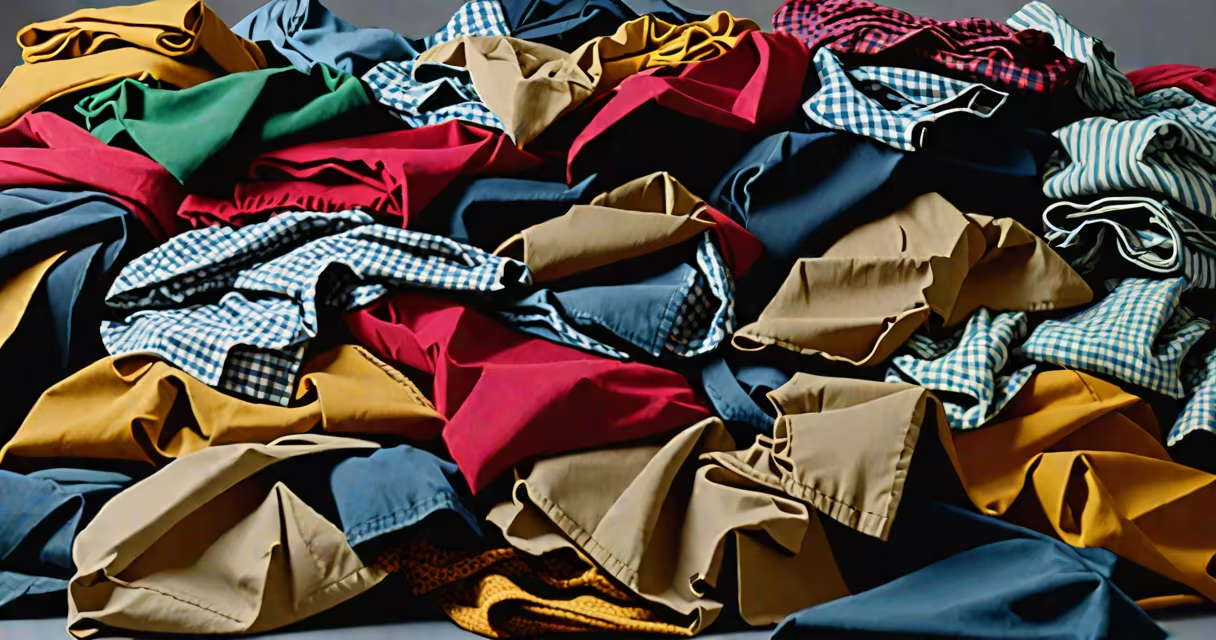
To deduct clothes donations on taxes, you must itemize deductions on your tax return and follow IRS rules for charitable contributions. The deduction reduces your taxable income based on the fair market value of the donated items.
The IRS allows taxpayers to deduct the fair market value of clothing and household items donated to qualified organizations. This deduction is only available if you itemize deductions using Schedule A (Form 1040).
For example, if you donate a gently used coat valued at $50, you can claim that amount as a deduction. However, if the organization sells the coat for $30, your deduction is limited to $30 unless you have written proof of the higher value.
Clothing donations typically fall into one of three categories:
According to the IRS, donations must be in "good used condition or better" to receive the full deduction. Organizations like Goodwill and Salvation Army often provide valuation guides for common items.
This deduction is used when donating to qualified charitable organizations. These include nonprofit groups, religious institutions, and other tax-exempt organizations recognized by the IRS. The primary benefit is reducing your taxable income, which can lower your tax bill.
For instance, if you donate a bag of clothes worth $200 to a local charity, you can deduct that amount from your taxable income. If you are in the 22% tax bracket, this deduction could save you $44 in taxes.
Many taxpayers mistakenly believe they can deduct the full retail value of donated items, regardless of their condition. However, the IRS requires donations to be in good used condition or better to claim the full fair market value., some assume that any donation qualifies, but only contributions to qualified organizations are deductible.
A study by the IRS found that many taxpayers overestimate the value of their donations, leading to potential audits. To avoid issues, it's important to keep detailed records and obtain a receipt from the organization.
Suppose you donate the following items to a local charity:
| Item | Condition | Fair Market Value |
|---|---|---|
| Winter Coat | Good Used | $60 |
| Jeans | Good Used | $20 |
| Shirt | Poor Used | $5 |
Your total deduction would be $85. If you are in the 22% tax bracket, this deduction could save you $18.70 in taxes. Always keep the receipt from the charity as proof of your donation.