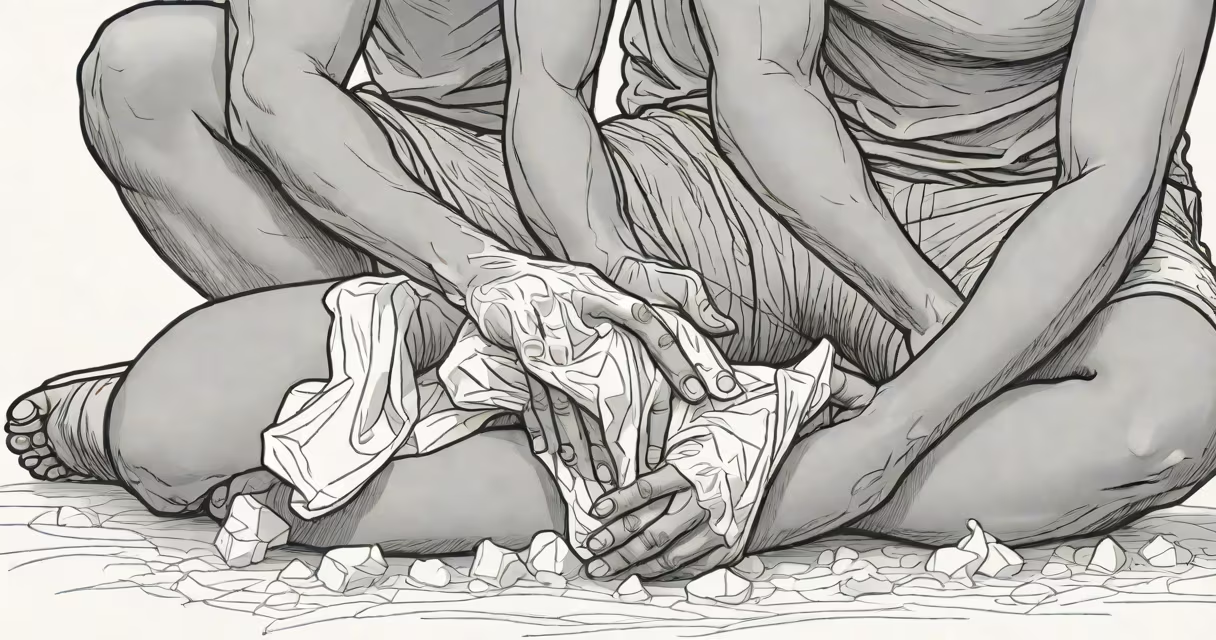
Groin injuries typically occur during sudden movements like sprinting, changing direction, or kicking. The adductor muscles stretch beyond their limits, causing microtears in the tissue. Athletes in sports requiring rapid lateral movement-like soccer, hockey, and basketball-are particularly vulnerable.
| Type | Severity | Recovery Time |
|---|---|---|
| Grade 1 Strain | Mild, slight tearing | 1-3 weeks |
| Grade 2 Strain | Moderate, partial tearing | 4-6 weeks |
| Grade 3 Strain | Severe, complete tear | 3+ months |
The standard protocol for treating a groin injury follows the RICE method: Rest, Ice, Compression, and Elevation. However, proper rehabilitation is equally critical.
Rest means avoiding activities that cause pain. Ice reduces swelling when applied for 15-20 minutes every 2-3 hours. Compression with an elastic bandage stabilizes the area, while elevation minimizes swelling by raising the injured leg above heart level.
After the initial 48 hours, switch to heat therapy to improve blood flow and promote healing. Gentle stretching and strengthening exercises can begin once pain subsides, typically after 3-7 days. A physical therapist can design a program tailored to the injury's severity.
Many people return to activity too soon, leading to reinjury. Others skip the strengthening phase, leaving the groin vulnerable to future strains. Proper rehabilitation includes gradual progression from passive stretches to active resistance exercises.
One non-obvious factor is hip flexibility. Tight hips increase stress on the groin muscles. Incorporating hip mobility exercises-like pigeon pose or seated figure-four stretches-helps prevent recurrence.
Consult a healthcare professional if pain persists beyond 6 weeks, if walking becomes difficult, or if swelling and bruising worsen. Severe injuries may require medical intervention, such as ultrasound therapy or surgery in extreme cases.
For minor strains, most people heal without complications. However, chronic groin pain may indicate an underlying condition, such as a sports hernia or osteoarthritis. A doctor can rule out these issues with a physical exam or imaging tests.
In my experience coaching youth soccer, players often downplay groin pain, fearing they'll lose playing time. Early intervention prevents minor strains from becoming long-term problems. Encouraging proper warm-ups, cool-downs, and listening to the body's limits makes a significant difference in recovery times.