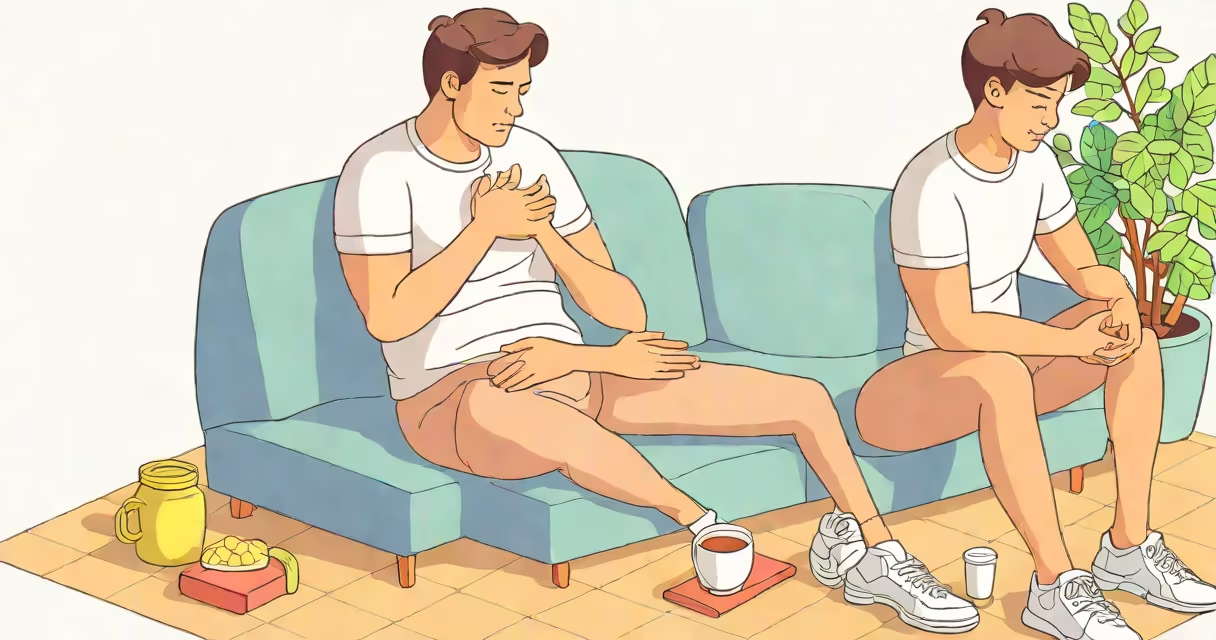
A bloated stomach occurs when your gastrointestinal tract fills with air or gas, causing discomfort and visible swelling. This happens due to overeating, swallowing air, or digestive issues. Most cases resolve within hours, but chronic bloating may indicate underlying conditions.
Bloating happens when gas builds up in your gut, stretching the stomach lining. This can occur from:
When gas isn't expelled through burping or passing gas, it stretches the stomach wall, triggering bloating.
| Type | Cause | Duration |
|---|---|---|
| Short-term bloating | Overeating, gas-producing foods | Hours |
| Chronic bloating | Food intolerances, IBS, SIBO | Days to weeks |
Short-term bloating is normal, but chronic bloating may require medical attention. According to the National Institute of Diabetes and Digestive and Kidney Diseases, about 10-15% of people experience chronic bloating.
Bloating often results from dietary triggers, such as beans, carbonated drinks, or artificial sweeteners. Other causes include:
I once experienced severe bloating after a meal heavy in cruciferous vegetables. Tracking my diet helped identify the trigger.
For immediate relief, try:
For long-term relief, reduce intake of high-FODMAP foods and increase fiber gradually. Probiotics may also help balance gut bacteria.
Many believe bloating is always caused by gas, but fluid retention or muscle tension can also contribute. Another myth is that drinking water worsens bloating-it actually helps.
Seek medical advice if bloating is accompanied by:
These symptoms could indicate serious conditions like ovarian cysts or celiac disease.