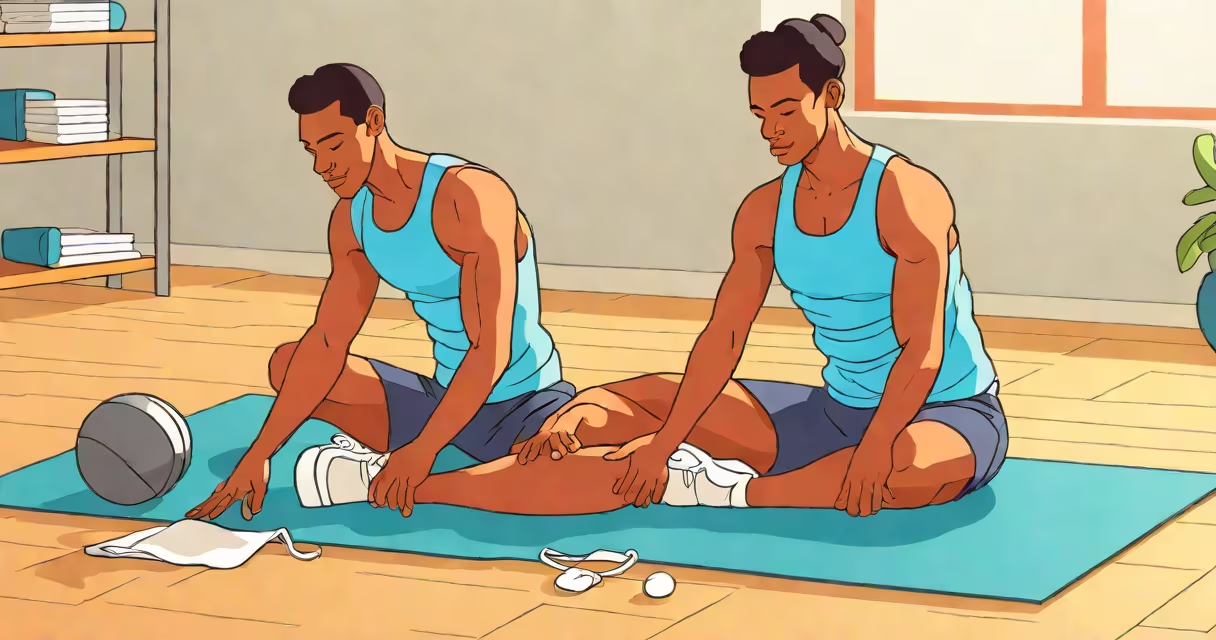
A groin injury occurs when muscles or tendons in your inner thigh or lower abdomen are strained or torn. Most cases heal within 1-6 weeks with proper care, though severe tears may require medical intervention.
Groin injuries typically result from sudden twisting motions, overstretching, or excessive force on the inner thigh muscles. Athletes-especially runners, soccer players, and hockey players-are most at risk due to repetitive stress and quick directional changes.
| Type | Description | Recovery Time |
|---|---|---|
| Grade 1 Strain | Mild damage with minimal pain and swelling | 1-3 weeks |
| Grade 2 Strain | Partial tearing with moderate pain and swelling | 4-6 weeks |
| Grade 3 Strain | Complete tear with severe pain and inability to bear weight | 3+ months (may require surgery) |
The RICE method (Rest, Ice, Compression, Elevation) is the first line of treatment. Rest the area completely for at least 48 hours, apply ice for 15-20 minutes every 2-3 hours, use compression bandages, and keep the leg elevated when possible.
After the initial 48-hour period, begin gentle stretching and strengthening exercises. A physical therapist can design a program tailored to your specific injury. Avoid high-impact activities until cleared by a medical professional.
Consult a healthcare provider if you experience severe pain, inability to walk, or swelling that doesn't improve with home care. Some groin injuries may require imaging (such as an MRI) to assess the extent of damage.
For athletes, returning to play too soon increases the risk of reinjury. Follow a structured rehabilitation program and gradually reintroduce sports-specific movements under professional guidance.
While minor groin strains often heal on their own, severe injuries may not fully recover without medical intervention. Some soft tissue injuries require surgical repair to restore full function.
Warm up properly before exercise, focusing on changing stretches that target the hip flexors and adductors. Strengthen the core and hip muscles through targeted exercises like bridges, clamshells, and side planks.
Wear supportive footwear and avoid playing on uneven surfaces. If you've had a previous groin injury, work with a physical therapist to address muscle imbalances and improve flexibility.
Last year, I aggravated my groin during a pickup soccer game. Following the RICE protocol and avoiding activity for the first few days helped reduce swelling. After consulting a sports medicine specialist, I began a structured rehab program focusing on gradual strength and mobility restoration. Within six weeks, I was back to light training-and took extra precautions to prevent recurrence.
Many people believe groin injuries only affect athletes, but they can happen to anyone engaging in sudden, strenuous movements. Another myth is that heat should be applied immediately-this can worsen inflammation. Ice is the correct initial treatment.
Some think groin strains will heal on their own without proper care, but neglecting treatment can lead to chronic issues. Even mild strains benefit from structured rehabilitation to restore full function.
For more details on groin injury recovery, read our guide on how to heal a groin.